March 24, 2026
When Is Arthroscopy Surgery Recommended? Signs, Symptoms, and Real-World Situations


 Dr. Bhushan Shitole | March 19, 2026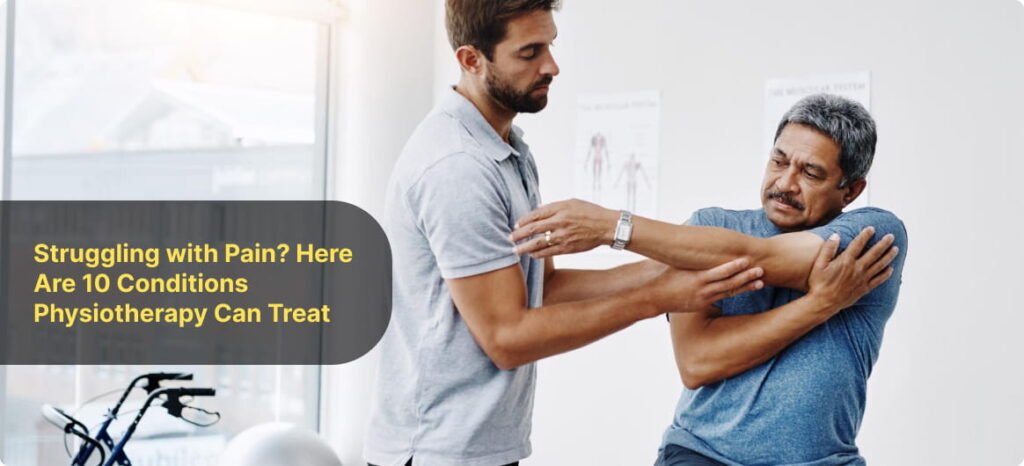
Muscle pain, joint stiffness, or reduced mobility often begin as small problems. At first, it might just feel like mild discomfort after a long day of work, exercise, or travel. But over time, these symptoms can start interfering with simple daily activities like bending, walking, climbing stairs, or lifting objects.
Many people delay treatment, hoping the pain will improve with rest or medication. In reality, untreated muscle and joint problems can gradually worsen if the underlying issue is not addressed properly.
Physiotherapy is widely used to help restore movement, reduce pain, and strengthen the body after injuries or physical strain. It focuses on improving how muscles and joints function through guided exercises, movement correction, and rehabilitation techniques.
According to the World Health Organization, musculoskeletal conditions affect over 1.7 billion people globally, making them one of the leading causes of disability and long-term physical discomfort.
Understanding the conditions treated with physiotherapy can help individuals recognise when professional care may be beneficial.
Below are some of the most common real-world health conditions where physiotherapy plays an important role in recovery and mobility improvement.
Back pain is one of the most common physical complaints, especially among people who sit for long hours or perform physically demanding work.
In cities like Pune, office workers frequently experience lower back pain due to prolonged computer use and poor posture.
Physiotherapy treatment usually focuses on:
These approaches help reduce pain and prevent the problem from returning.

Neck pain often develops gradually from daily habits such as long hours of mobile phone usage, computer work, or improper sleeping posture.
Many patients describe symptoms such as:
Physiotherapy exercises help restore neck mobility and reduce muscle tension.

Sports injuries are common among athletes, gym enthusiasts, and even recreational players.
Typical injuries include:
Rehabilitation programs designed by physiotherapists help athletes safely regain strength and mobility before returning to sports activities.

Arthritis causes joint stiffness, swelling, and pain that may worsen over time.
In India, knee arthritis is one of the most frequently reported joint problems among adults over 50, particularly due to ageing and joint wear.
Physiotherapy helps patients manage arthritis by:
These techniques often help patients maintain an active lifestyle.
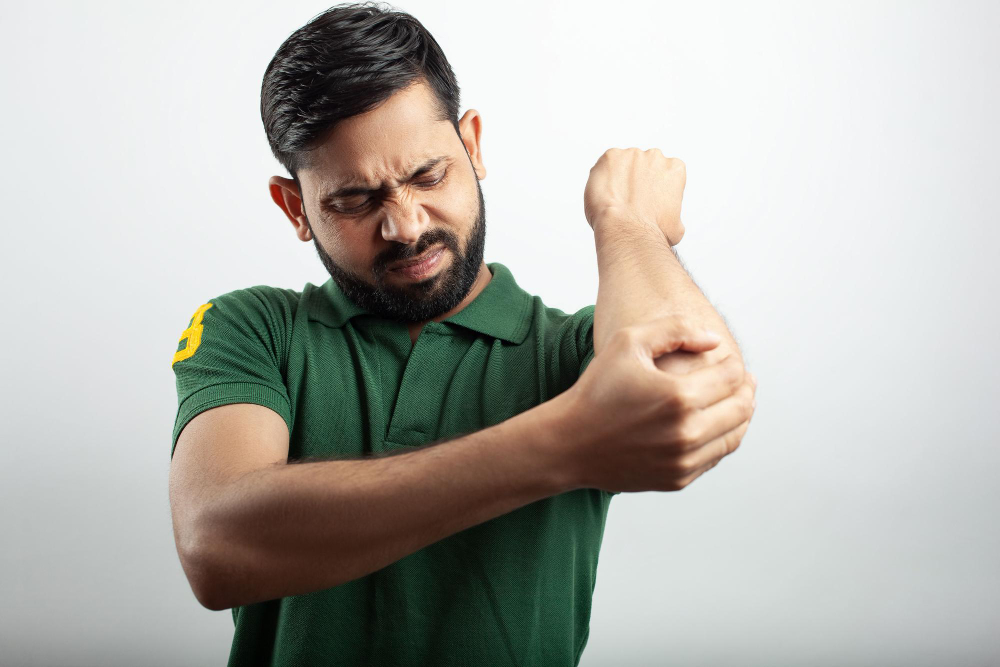
Knee pain can affect people of all age groups.
Common causes include:
Physiotherapy strengthens the muscles around the knee joint, improving stability and reducing pressure on the joint.
For many patients, structured physiotherapy can significantly improve knee function and delay the need for surgical intervention.

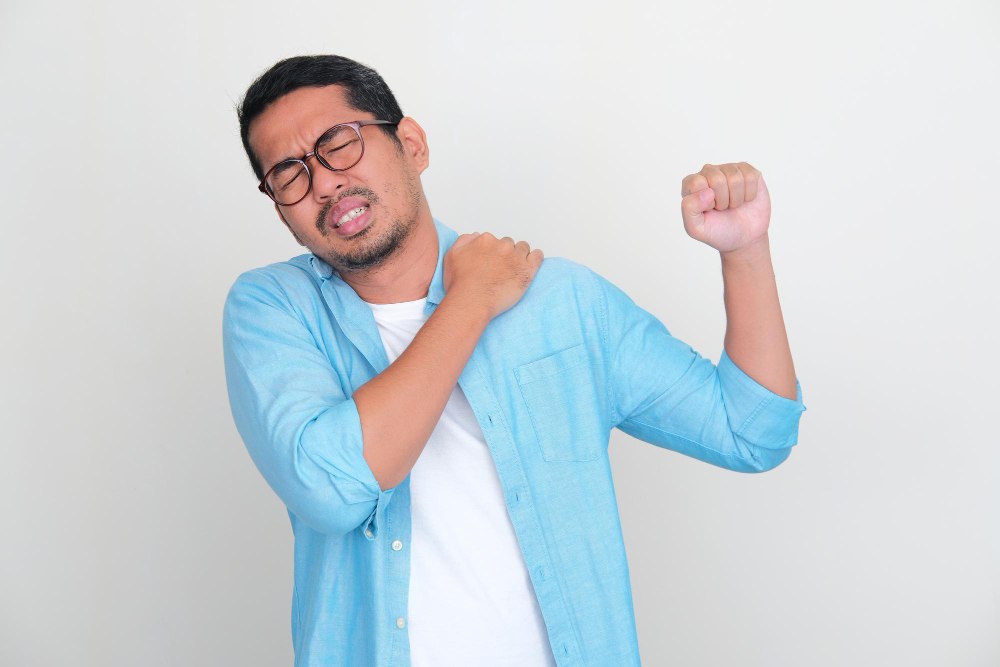
Frozen shoulder is a condition where shoulder movement becomes painful and restricted over time.
Patients often report difficulty with simple tasks such as:
Physiotherapy plays a key role in gradually restoring shoulder movement through controlled stretching and strengthening exercises.
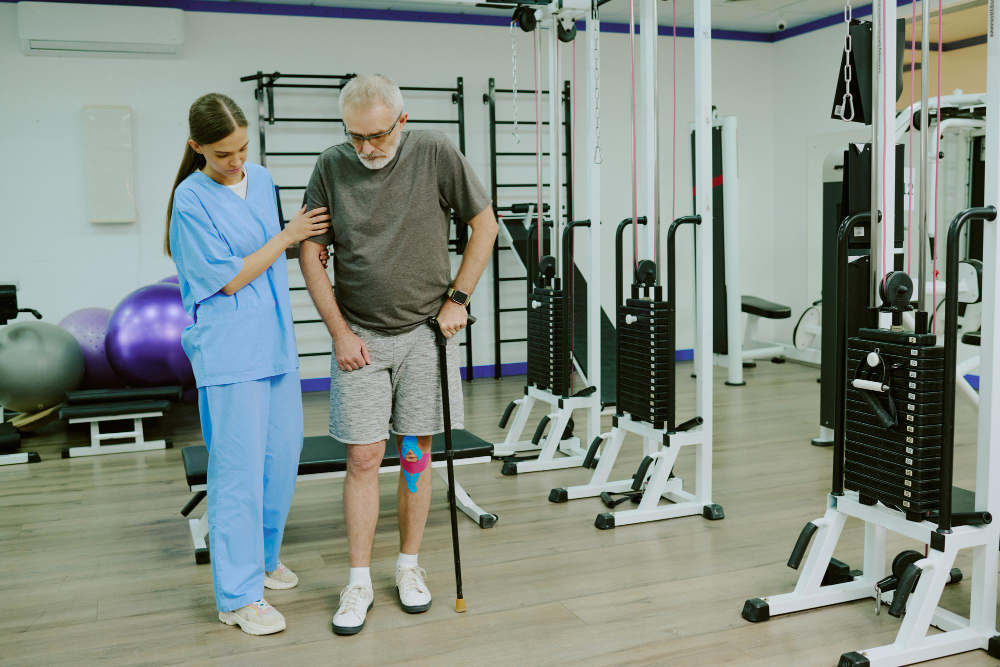
Recovery after orthopaedic surgery often requires structured rehabilitation.
Common surgeries that require physiotherapy include:
Rehabilitation exercises help restore strength, improve joint movement, and allow patients to return to normal activities safely.
Muscle strains and ligament injuries can occur due to sudden movements, accidents, or excessive physical activity.
These injuries often cause:
Physiotherapy helps reduce inflammation, rebuild muscle strength, and improve flexibility during the recovery process.

Poor posture is increasingly common today, especially among people who spend long hours sitting at desks or using electronic devices.
Over time, poor posture may lead to:
Physiotherapists help correct posture through strengthening exercises and ergonomic guidance.

Balance problems are often seen in older adults or individuals recovering from injuries.
Reduced balance can increase the risk of falls and physical injuries.
Physiotherapy programs often include:
These treatments help improve stability and confidence during movement.
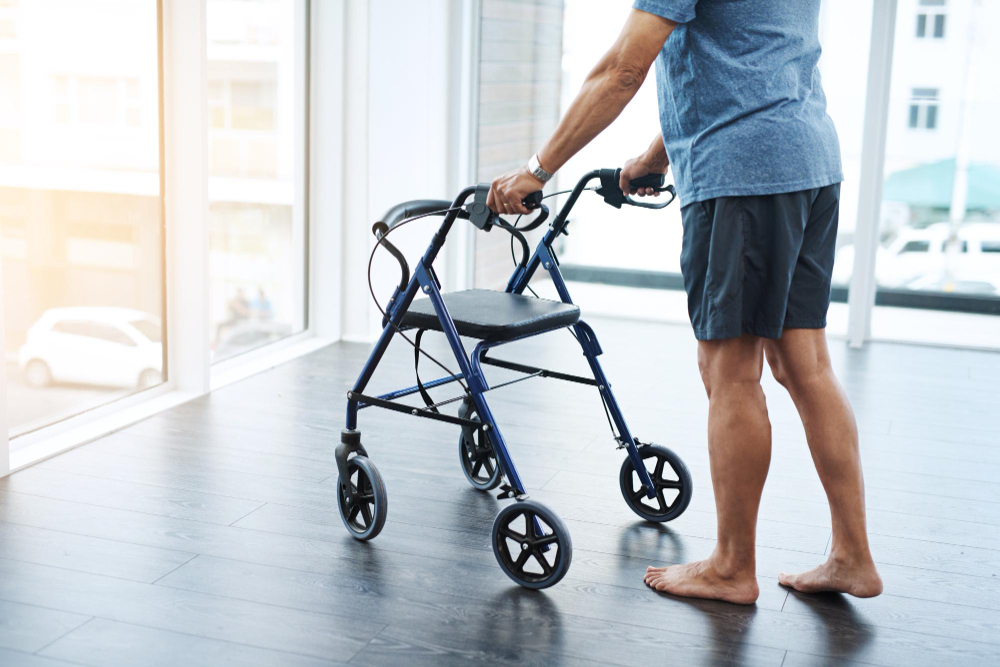
Physiotherapy focuses on restoring normal body movement rather than simply masking pain.
Treatment usually combines multiple approaches such as:
These methods help patients regain mobility gradually while reducing the risk of future injuries.
Along with physiotherapy treatment, certain daily habits can help maintain long-term muscle and joint health.
Some simple habits include:
These habits support recovery and help prevent many musculoskeletal problems.
If you experience ongoing muscle pain, joint stiffness, or limited mobility, seeking professional medical guidance can help identify the underlying cause.
Dr. Bhushan Shitole provides orthopaedic consultation in Pune and guides patients on appropriate physiotherapy and rehabilitation plans depending on their condition.
During consultation, patients receive guidance on:
Physiotherapy itself is usually performed at specialised rehabilitation centres, while orthopaedic consultation helps determine the most suitable treatment approach.
Many problems related to muscles, joints, and movement can improve with physiotherapy. If pain, stiffness, or limited mobility affects daily activities, physiotherapy may be beneficial.
Common conditions include back pain, neck pain, sports injuries, arthritis, frozen shoulder, ligament injuries, posture problems, and recovery after surgery.
Yes. Strengthening exercises, posture correction, and guided movement training can reduce the risk of future injuries.
Physiotherapy is widely used to treat many physical conditions affecting muscles, joints, and mobility. Recognising these problems early and seeking appropriate care can help prevent long-term discomfort and improve overall quality of life.
If you experience persistent pain or difficulty moving, consulting an orthopaedic specialist can help determine whether physiotherapy may be beneficial for your condition.
For professional orthopaedic consultation and guidance on rehabilitation options, patients can consult Dr. Bhushan Shitole in Pune.
Reference
World Health Organization – Musculoskeletal Health Report (Global Burden of Disease Study)
👉 Visit: https://drbhushanshitole.com/

March 24, 2026
When Is Arthroscopy Surgery Recommended? Signs, Symptoms, and Real-World Situations

March 12, 2026
When Should You See a Physiotherapist? Signs & Symptoms
March 05, 2026
Robotic vs Traditional Knee Replacement Surgery – Key Differences

February 26, 2026
How Should I Start My Fitness Journey?

February 19, 2026
Sports Medicine vs Orthopaedic Care: Which Is Right for Your…
At Wellness Clinic, we are committed to restoring mobility.