October 12, 2026
Weight Loss and Knee Arthritis: How Much Difference Does It…


 Dr. Bhushan Shitole | April 16, 2026
Muscle injuries are common among athletes, fitness enthusiasts, and even individuals performing routine physical activities. Strains, sprains, and muscle tears can cause significant pain, limit mobility, and affect daily life. One of the most effective ways to recover from these injuries is through physiotherapy.
Many patients wonder how physiotherapy speeds up muscle injury recovery and why doctors often recommend it as part of the rehabilitation process. Physiotherapy plays a crucial role in restoring strength, improving flexibility, and helping patients return to their normal activities faster and more safely.
In this blog, we will explore how physiotherapy helps injury recovery, particularly in muscle injuries and sports-related conditions.

A muscle injury occurs when muscle fibers are overstretched or torn. This usually happens due to:
Common symptoms of muscle injuries include:
Without proper treatment, muscle injuries may take longer to heal and could even lead to recurring problems.

Physiotherapy is a structured rehabilitation process designed to restore function and strength after an injury. A physiotherapist uses specific exercises, manual therapy, and advanced techniques to promote healing.
One of the first goals of physiotherapy is to reduce pain and swelling. Physiotherapists use techniques such as:
These treatments improve blood circulation and reduce inflammation, allowing injured muscles to heal faster.
After a muscle injury, the affected area often becomes weak due to reduced activity. Physiotherapy includes strengthening exercises that gradually rebuild muscle power.
These exercises help:
Strengthening the injured muscle also supports surrounding joints and tissues.
Muscle injuries often cause stiffness and reduced range of motion. One important aspect of physiotherapy is stretching and mobility exercises that help restore flexibility.
Improved flexibility allows patients to:
Regular physiotherapy sessions help muscles regain their natural movement patterns.
A key benefit of physiotherapy is that it helps speed up recovery time. Instead of waiting for the muscle to heal passively, physiotherapy promotes active healing through controlled movement.
This approach helps:
As a result, patients often recover faster compared to rest alone.
Another important way physiotherapy helps speed up recovery is by addressing the underlying cause of the injury.
Physiotherapists analyze factors such as:
Corrective exercises and posture training help reduce the risk of future injuries.

Athletes frequently experience muscle injuries due to intense training and competition. Physiotherapy plays a vital role in sports injury rehabilitation.
For players and athletes, physiotherapy helps by:
Sports physiotherapy programs are designed to ensure that athletes return to peak performance without risking reinjury.
Modern physiotherapy includes a variety of treatment methods, such as:
Each treatment plan is customized based on the type and severity of the injury.
When dealing with muscle injuries, it is important to consult an experienced orthopedic specialist who understands both diagnosis and rehabilitation.
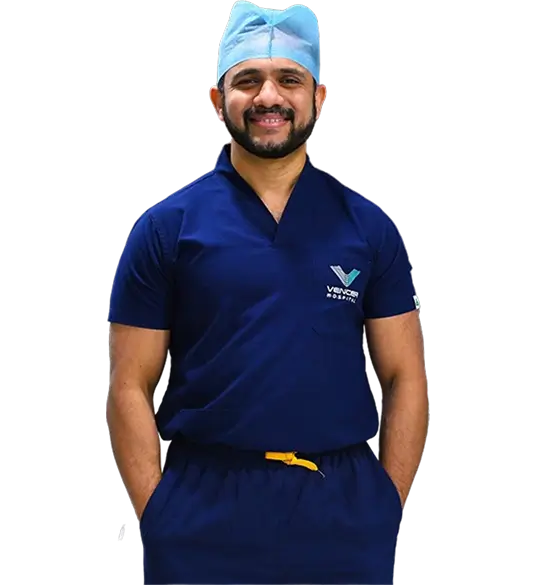
Dr. Bhushan Shitole specializes in treating orthopedic conditions, sports injuries, and joint problems with a comprehensive approach that includes accurate diagnosis and guided physiotherapy support.
Patients benefit from:
This integrated approach ensures patients regain mobility, strength, and confidence in their physical activities.
Physiotherapy promotes active healing through exercises, improved blood circulation, and muscle strengthening, which helps injured tissues recover faster.
Physiotherapy reduces pain, improves mobility, restores muscle strength, and helps patients return to their normal activities safely.
Physiotherapy usually begins once the initial pain and swelling are controlled. A doctor or physiotherapist will recommend the right time based on the injury.
Physiotherapy helps athletes recover from injuries, rebuild strength, improve flexibility, and safely return to sports without risking reinjury.
Yes. Physiotherapy identifies muscle imbalances, poor posture, and incorrect movement patterns, helping prevent future injuries.
Muscle injuries can disrupt daily life and physical performance, but with the right treatment, recovery can be faster and more effective. Understanding how physiotherapy speeds up muscle injury recovery highlights the importance of structured rehabilitation in the healing process.
From reducing pain and inflammation to restoring strength and preventing future injuries, physiotherapy plays a crucial role in helping patients recover safely and efficiently. If you are experiencing muscle pain or sports-related injuries, consulting an experienced orthopedic specialist like Dr. Bhushan Shitole can help you begin the right treatment and recovery plan.

October 12, 2026
Weight Loss and Knee Arthritis: How Much Difference Does It…

October 07, 2026
Runner’s Knee: Causes, Treatment and Prevention for Pune Runners

September 28, 2026
Joint Pain in Winter: How to Prevent and Manage Joint…

September 21, 2026
Diabetes and Joint Health: Why Diabetic Patients Need Extra Orthopedic…

September 15, 2026
Chondromalacia and Cartilage Damage in the Knee: What Are Your…
At Wellness Clinic, we are committed to restoring mobility.