October 12, 2026
Weight Loss and Knee Arthritis: How Much Difference Does It…


 Dr. Bhushan Shitole | August 12, 2026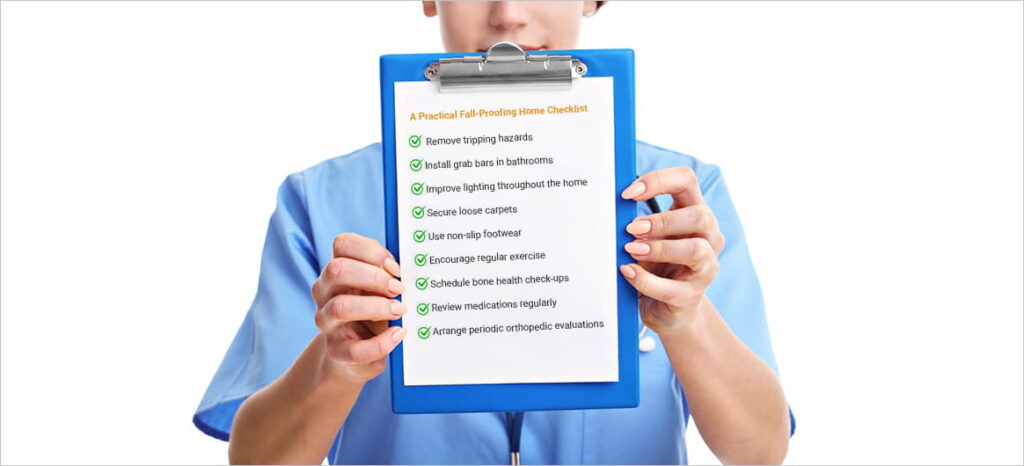
As our parents grow older, ensuring their safety becomes one of our greatest responsibilities. While aging is a natural process, falls are not an inevitable part of growing old. Unfortunately, falls are one of the leading causes of serious injuries among senior citizens, often resulting in hip fracture in old age, reduced mobility, and loss of independence.
The good news is that many falls can be prevented with simple lifestyle changes, home modifications, and timely orthopedic care. Understanding the fall risk factors in elderly individuals and taking preventive steps can significantly reduce the chances of fractures and long-term complications.
In this guide, we’ll explore the orthopedic checklist every family should follow to help protect their elderly loved ones.
As we age, our bodies naturally undergo changes that affect strength, balance, and bone health. Reduced muscle mass, slower reflexes, and weakened bones make seniors more vulnerable to falls and injuries.
Several factors contribute to this increased risk, including:
Recognizing these risk factors early allows families to take proactive measures before a serious accident occurs.
One of the most concerning consequences of falls is a hip fracture in old age. Unlike younger individuals, elderly patients often require surgery, prolonged hospitalization, rehabilitation, and extended recovery periods.
Hip fractures can lead to:
Preventing the first fall is always better than treating the injury afterward.
Many seniors experience osteoporosis and falls simultaneously, creating a dangerous combination.
Osteoporosis causes bones to become porous, weak, and brittle. Even a minor fall can result in fractures of the hip, wrist, spine, or shoulder.
Signs that your elderly parent may be at higher risk include:
Regular bone health assessments and early treatment can significantly reduce fracture risk.
Routine orthopedic evaluations help identify hidden mobility issues before they become serious.
An orthopedic specialist may assess:
Early diagnosis allows timely treatment and improves long-term mobility.
One of the earliest warning signs is the development of balance and gait problems.
Common symptoms include:
If these symptoms appear, professional assessment should not be delayed.
Age-related muscle weakness aging can often be improved through appropriate physical activity.
Recommended exercises include:
A physiotherapist or orthopedic specialist can recommend exercises suitable for your parent’s health condition.
Because bone density loss progresses silently, regular screening becomes essential.
Discuss with your doctor about:
Healthy bones provide better protection if accidental falls occur.
Some medicines can cause:
Ask your physician to periodically review medications and adjust dosages if necessary.
Poor eyesight and hearing significantly increase fall risk.
Ensure:
Better sensory awareness helps seniors navigate safely.
Creating a safe environment is one of the most effective ways to prevent falls. Proper home safety for seniors involves identifying hazards that often go unnoticed.
While home modifications and healthy habits are essential, they cannot address underlying orthopedic conditions that increase the risk of falls. Problems such as osteoporosis, muscle weakness, balance and gait problems, arthritis, and bone density loss require timely medical evaluation to prevent serious injuries.
This is where Dr. Bhushan Shitole plays an important role. With extensive experience in geriatric orthopedic care, he focuses on identifying the root causes of mobility issues rather than simply treating fractures after they occur. His comprehensive assessments help detect early signs of weak bones, joint disorders, and movement limitations, allowing for timely intervention.
Dr. Bhushan Shitole develops personalized treatment plans based on each patient’s age, lifestyle, and overall health. These may include bone health evaluation, osteoporosis management, physiotherapy guidance, medication recommendations, mobility improvement strategies, and fracture prevention measures. His goal is to help elderly patients remain active, independent, and confident in their daily lives while reducing the risk of future falls.
Seeking expert orthopedic advice at the first signs of instability, joint pain, or repeated falls can significantly improve outcomes and prevent life-changing injuries.
Remove tripping hazards, improve lighting, install bathroom grab bars, use non-slip footwear, and keep frequently used items within easy reach. Regular exercise and orthopedic check-ups can also help.
Common risk factors include muscle weakness, poor balance, vision problems, osteoporosis, certain medications, joint conditions, and unsafe home environments.
Yes. Osteoporosis weakens bones, making seniors more likely to experience fractures such as hip, wrist, or spine fractures even after a minor fall.
An orthopedic evaluation is recommended after repeated falls, difficulty walking, balance problems, joint pain, reduced mobility, or a previous fracture.
Walking, chair exercises, light resistance training, stretching and supervised balance exercises may help improve strength and stability. Exercises should be selected according to the individual’s health and mobility.
Install grab bars, use non-slip mats, improve lighting, consider a shower chair, and ensure the toilet and shower are easily accessible.
Yes. Regular assessments can identify mobility problems, joint conditions, bone health issues, and gait or balance abnormalities early, allowing appropriate preventive measures.
Falls can have life-changing consequences for older adults, but many are preventable with timely intervention and thoughtful planning. Understanding fall risk factors in elderly individuals, addressing osteoporosis and falls, monitoring bone density loss, improving home safety for seniors, and recognizing balance and gait problems are essential steps toward protecting your loved ones.
If your elderly parent has experienced repeated falls, joint pain, difficulty walking, or reduced confidence while moving around, don’t wait until a serious injury occurs. Consulting Dr. Bhushan Shitole for an early orthopedic evaluation can help identify underlying issues, recommend the right treatment, and create a personalized fall prevention plan. With expert guidance, proactive care, and regular monitoring, families can help their elderly loved ones maintain strong bones, better mobility, and an active, independent lifestyle for years to come.
October 12, 2026
Weight Loss and Knee Arthritis: How Much Difference Does It…

October 07, 2026
Runner’s Knee: Causes, Treatment and Prevention for Pune Runners

September 28, 2026
Joint Pain in Winter: How to Prevent and Manage Joint…
September 21, 2026
Diabetes and Joint Health: Why Diabetic Patients Need Extra Orthopedic…
September 15, 2026
Chondromalacia and Cartilage Damage in the Knee: What Are Your…

At Wellness Clinic, we are committed to restoring mobility.