October 12, 2026
Weight Loss and Knee Arthritis: How Much Difference Does It…


 Dr. Bhushan Shitole | June 19, 2026
Joint pain, arthritis, sports injuries, and mobility problems can affect your daily activities and overall quality of life. When seeking treatment, many patients come across terms such as orthopedic surgeon and joint replacement surgeon and often assume they are the same. While both specialists focus on conditions affecting bones, joints, muscles, and mobility, there are important differences in their expertise and treatment approach.
Understanding the Difference Between Orthopedic Surgeon and Joint Replacement Surgeon can help you choose the right specialist for your condition and receive the most effective care.
Although both professionals belong to the field of orthopedics, their scope of practice differs significantly.
An orthopedic surgeon diagnoses and treats a wide range of musculoskeletal conditions involving bones, joints, ligaments, tendons, muscles, and nerves. They may provide both surgical and non-surgical treatments.
A joint replacement surgeon is an orthopedic surgeon who has undergone additional specialization in replacing damaged joints, particularly the knee, hip, and shoulder.
In simple terms:
Understanding this distinction can help patients make informed decisions about their orthopedic care.
Orthopedic surgeons manage a broad range of musculoskeletal disorders.
These may include:
Their goal is to restore function, reduce pain, and improve mobility through appropriate treatment methods.
Joint replacement surgeons primarily focus on patients whose joints have been severely damaged due to arthritis, injury, or degeneration.
One of the major differences between an orthopedic specialist vs joint replacement surgeon is the treatment approach.
Orthopedic surgeons often begin with conservative treatments such as:
Joint replacement surgeons become involved when these treatments no longer provide sufficient relief and surgical intervention becomes necessary.
Orthopedic surgeons perform various procedures depending on their area of expertise.
Joint replacement surgeons specialize in procedures such as:
Because they perform these surgeries regularly, they develop advanced expertise in joint reconstruction and replacement techniques.
Patients may need consultation with a joint replacement specialist when experiencing:
These conditions often require specialized evaluation and advanced orthopedic procedures.
You should consider an orthopedic consultation if you experience:
An orthopedic surgeon can diagnose the problem and determine whether non-surgical treatment or surgery is necessary.
You may benefit from seeing a joint replacement surgeon if:
Early evaluation can help determine whether joint replacement treatment is the right solution.
Modern joint replacement surgery has evolved significantly with technological advancements.
Today, many specialists utilize:
These innovations help improve accuracy, recovery, and long-term outcomes for patients.
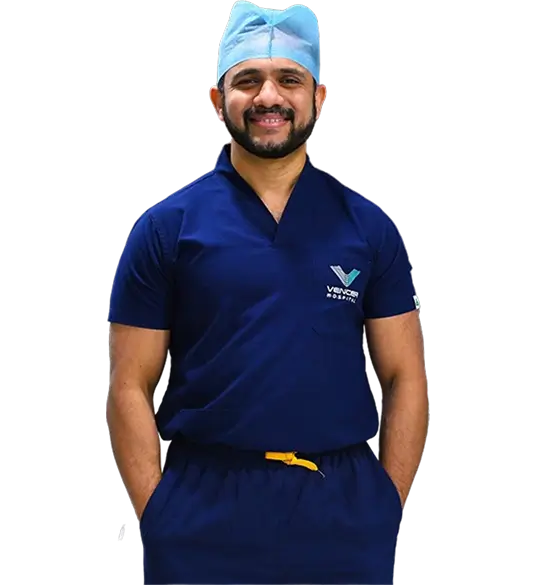
According to Dr. Bhushan Shitole, Orthopedic Doctor in Pune, many patients delay specialist consultation because they are unsure which expert to approach.
He recommends:
His patient-focused approach combines comprehensive orthopedic care with advanced joint replacement treatment to help individuals regain mobility and improve their quality of life.
If you are experiencing joint pain, arthritis, mobility issues, or require advanced joint replacement treatment, consult Dr. Bhushan Shitole, experienced Orthopedic Doctor in Pune, for personalized diagnosis and treatment solutions.
An orthopedic surgeon treats various bone, joint, and muscle conditions, while a joint replacement surgeon specializes in replacing damaged joints such as the knee and hip.
Yes. Every joint replacement surgeon is an orthopedic surgeon with additional specialization in joint replacement procedures.
You should consider consultation if arthritis or joint pain severely affects your mobility and daily activities despite conservative treatment.
Yes. Orthopedic surgeons often manage arthritis through medication, physiotherapy, injections, and lifestyle modifications before considering surgery.
Severe osteoarthritis, rheumatoid arthritis, cartilage damage, and advanced joint degeneration commonly require joint replacement treatment.
Robotic-assisted knee replacement can improve surgical precision, implant alignment, and personalized treatment planning for suitable patients.
Understanding the Difference Between Orthopedic Surgeon and Joint Replacement Surgeon can help patients receive the right treatment at the right time.
An orthopedic surgeon provides comprehensive care for a wide range of musculoskeletal conditions, while a joint replacement surgeon specializes in replacing damaged joints when conservative treatments are no longer effective.
If you are experiencing chronic joint pain, arthritis symptoms, or reduced mobility, consulting an experienced specialist can help you explore the most suitable treatment options and achieve better long-term outcomes.

October 12, 2026
Weight Loss and Knee Arthritis: How Much Difference Does It…

October 07, 2026
Runner’s Knee: Causes, Treatment and Prevention for Pune Runners

September 28, 2026
Joint Pain in Winter: How to Prevent and Manage Joint…

September 21, 2026
Diabetes and Joint Health: Why Diabetic Patients Need Extra Orthopedic…

September 15, 2026
Chondromalacia and Cartilage Damage in the Knee: What Are Your…
At Wellness Clinic, we are committed to restoring mobility.