October 12, 2026
Weight Loss and Knee Arthritis: How Much Difference Does It…


 Dr. Bhushan Shitole | July 11, 2026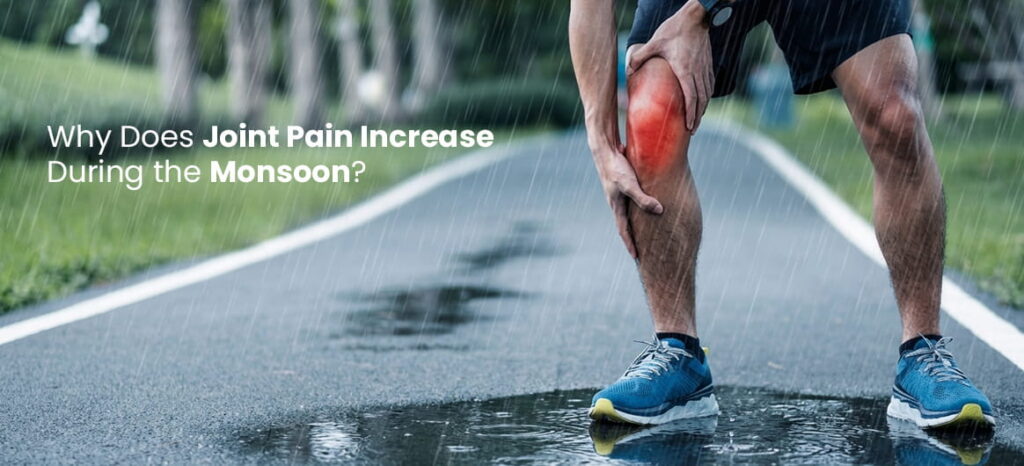
For many people in Pune, the arrival of the monsoon brings welcome relief from the summer heat. However, for those living with arthritis, old injuries, or chronic joint problems, the rainy season often comes with increased pain and stiffness.
If you’ve noticed that your knees pain more when it rains or your joints feel stiffer on damp mornings, you’re not imagining it. Joint Pain in the Rainy Season is a common concern experienced by many people, especially older adults and individuals with osteoarthritis or rheumatoid arthritis.
While the weather itself may not directly cause joint disease, changes in humidity, temperature, and atmospheric pressure can make existing joint problems more noticeable. Understanding why this happens can help you take the right steps to reduce discomfort and protect your joint health throughout the monsoon.
Although researchers are still studying the exact connection, several weather-related factors are believed to contribute to increased joint discomfort during monsoon.
One of the most widely accepted explanations is barometric pressure joint pain.
Barometric pressure refers to the weight of the air around us. Before or during rainfall, this pressure often drops. The reduced pressure may allow tissues surrounding the joints to expand slightly, placing extra pressure on already sensitive nerves and inflamed joints.
People with arthritis or previous joint injuries may therefore experience increased pain before or during rainy weather.
High humidity is another factor that can worsen joint discomfort.
Excess moisture in the air may increase inflammation in already affected joints, making movement feel more uncomfortable. Many people living with humidity and arthritis report greater stiffness, swelling, and reduced flexibility during monsoon months.
Monsoon weather is often accompanied by cooler temperatures.
Cold conditions can cause muscles, tendons, and ligaments to tighten, reducing flexibility around the joints. This often results in cold weather joint stiffness, especially after long periods of sitting or sleeping.
Certain individuals are more sensitive to seasonal weather changes.
You may notice increased symptoms if you have:
Many patients also report increased knee pain during the rainy season, particularly when climbing stairs or walking on uneven surfaces.
Weather is not the only reason joints may hurt more during the rainy season.
Heavy rainfall often limits outdoor exercise. Reduced movement can make joints stiffer and muscles weaker, increasing discomfort over time.
Cloudy weather means less sunlight exposure, which may contribute to vitamin D deficiency during monsoon. Vitamin D plays an important role in maintaining healthy bones and muscles.
Joints contain synovial fluid that acts as a natural lubricant.
Although research is ongoing, some experts believe that synovial fluid changes during colder weather may affect joint lubrication and make movement feel less comfortable in certain individuals.
Weather-related joint discomfort may include:
If these symptoms continue or become more severe, it is important to seek medical evaluation.
Fortunately, there are several simple ways to reduce discomfort and keep your joints healthy during the rainy season.
Gentle exercises help improve blood circulation and maintain joint mobility.
Activities such as walking indoors, stretching, yoga, or physiotherapy exercises can help reduce stiffness and improve flexibility.
Protecting your joints from cold and damp weather can ease discomfort.
Wear warm clothing when needed, avoid prolonged exposure to moisture, and consider using warm compresses to relieve stiffness.
Excess body weight places additional stress on weight-bearing joints, especially the knees and hips.
Even small improvements in weight can reduce pressure on painful joints.
A nutritious diet supports joint health and helps control inflammation.
Include foods rich in:
Stay hydrated throughout the day, even during cooler weather.
If you have arthritis or another chronic joint condition, continue taking prescribed medications and attend follow-up appointments as advised by your orthopedic specialist.
Avoid self-medicating without medical guidance.
Occasional stiffness during monsoon may not always indicate a serious problem. However, persistent or worsening symptoms should not be ignored.
Consult an orthopedic specialist if you experience:
Early diagnosis allows appropriate treatment and may help prevent long-term joint damage.
According to Dr. Bhushan Shitole, Best Orthopedic Doctor in Pune, weather changes may temporarily worsen symptoms in people with existing joint conditions, but they should not be considered a normal part of aging.
He advises patients to remain physically active during the monsoon, maintain a healthy lifestyle, manage underlying arthritis appropriately, and seek medical evaluation if pain becomes persistent or begins affecting daily activities.
Timely treatment, proper rehabilitation, and personalized care can significantly improve mobility and quality of life.
If your joint pain becomes worse during the rainy season or starts interfering with your daily routine, professional evaluation is essential.
Dr. Bhushan Shitole provides comprehensive diagnosis and treatment for arthritis, knee pain, sports injuries, joint disorders, and advanced orthopedic conditions. With a patient-focused approach and expertise in modern orthopedic care, he helps individuals regain mobility and lead a more active, pain-free life.
Changes in barometric pressure, increased humidity, cooler temperatures, and reduced physical activity can make existing joint problems feel more painful.
No. Rain does not cause arthritis, but it can worsen symptoms in people who already have arthritis or previous joint injuries.
High humidity, lower temperatures, and changes in atmospheric pressure may increase stiffness and discomfort, especially in weight-bearing joints like the knees.
Regular exercise, keeping your joints warm, maintaining a healthy weight, eating a balanced diet, and following your treatment plan can help manage symptoms.
Reduced sunlight exposure during the rainy season may contribute to lower vitamin D levels, which can affect bone and muscle health.
You should consult an orthopedic specialist if pain is severe, persistent, associated with swelling, or begins affecting your mobility and daily activities.
Experiencing Joint Pain in Rainy Season is common, particularly among people with arthritis, previous injuries, or age-related joint problems. While monsoon weather cannot cause arthritis, changes in humidity, temperature, and barometric pressure can trigger discomfort and stiffness.
By staying active, maintaining healthy lifestyle habits, and seeking timely medical care, you can effectively manage seasonal joint pain and continue enjoying your daily activities.
If you’re experiencing persistent knee pain, arthritis flare-ups, or weather-related joint discomfort, consult Dr. Bhushan Shitole, Best Orthopedic Doctor in Pimpri Chinchwad, for expert diagnosis and personalized treatment.

October 12, 2026
Weight Loss and Knee Arthritis: How Much Difference Does It…

October 07, 2026
Runner’s Knee: Causes, Treatment and Prevention for Pune Runners

September 28, 2026
Joint Pain in Winter: How to Prevent and Manage Joint…

September 21, 2026
Diabetes and Joint Health: Why Diabetic Patients Need Extra Orthopedic…

September 15, 2026
Chondromalacia and Cartilage Damage in the Knee: What Are Your…

At Wellness Clinic, we are committed to restoring mobility.