October 12, 2026
Weight Loss and Knee Arthritis: How Much Difference Does It…


 Dr. Bhushan Shitole | July 01, 2026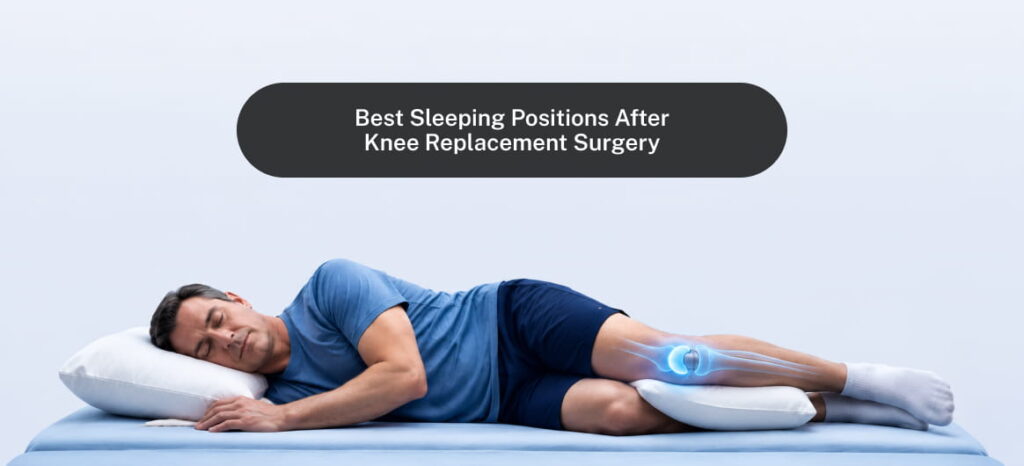
Recovering from knee replacement surgery involves more than physiotherapy, medications, and regular follow-ups. One of the most overlooked aspects of recovery is sleep. Many patients find it difficult to get comfortable at night due to pain, swelling, stiffness, or concerns about putting pressure on the operated knee.
Understanding the Best Sleeping Positions After Knee Replacement Surgery can help improve sleep quality, reduce discomfort, and support a smoother recovery process. Proper sleep posture can also assist with pain management after knee replacement and help minimize swelling during the healing phase.
According to Dr. Bhushan Shitole, Knee Replacement Surgeon in Pune, adopting the right sleeping position is an important part of post-surgery recovery and can significantly improve patient comfort during the first few weeks after surgery.
After knee replacement surgery, the body needs time to heal. The position you sleep in can affect blood circulation, swelling, pain levels, and overall recovery.
Here are some of the safest and most recommended sleeping positions after knee replacement surgery.
Sleeping on your back is generally considered the safest position during the early stages of recovery after knee replacement surgery.
Benefits include:
To improve comfort:
Swelling is common after surgery and may continue for several weeks.
Proper leg elevation can help:
Use pillows for knee support by placing them beneath the lower leg and ankle. The goal is to keep the knee slightly elevated above heart level when possible.
Avoid placing pillows directly behind the knee for long periods, as this may encourage the knee to remain bent and potentially affect recovery.
Many patients naturally prefer sleeping on their side. Once approved by your surgeon, side sleeping after knee surgery may be possible.
For safe side sleeping:
The pillow acts as a cushion and helps maintain proper alignment while reducing stress on the joint.
Patients should always consult their surgeon before transitioning to side sleeping after surgery.
Pillows play an important role in achieving sleep comfort after surgery.
Helpful options include:
Proper support helps reduce strain and prevents unnecessary movement during sleep.
A supportive sleeping surface contributes significantly to recovery.
An ideal mattress should:
If the mattress is too soft, getting in and out of bed may become more difficult during recovery.
Certain sleeping positions can place unnecessary stress on the healing joint.
Avoid:
These positions may increase discomfort and interfere with the healing process.
Sleep disturbances are common during the first few weeks after surgery.
To improve sleep quality:
Good pain management after knee replacement often leads to better rest and improved recovery outcomes.
Your bedroom setup can also influence recovery.
Consider:
A safe environment supports both comfort and confidence during recovery.
Quality sleep allows the body to focus on healing and tissue repair.
Good sleep can help:
Patients who prioritize proper sleep posture after surgery often find it easier to participate in physiotherapy and daily recovery activities.
According to Dr. Bhushan Shitole, Knee Replacement Surgeon in Pune, patients often focus heavily on walking and physiotherapy while overlooking the importance of proper sleep positioning.
He recommends:
Dr. Shitole emphasizes that comfortable sleep supports healing, reduces discomfort, and contributes to a smoother recovery journey after knee replacement surgery.
If you are planning knee replacement surgery or need expert guidance for post-operative recovery, consult Dr. Bhushan Shitole, experienced Knee Replacement Surgeon in Pune.
With expertise in advanced knee replacement procedures and personalized patient care, Dr. Shitole helps patients achieve better mobility, reduced pain, and successful long-term outcomes.
Sleeping on your back with the leg properly elevated is generally considered the safest and most recommended position during the initial recovery period.
Yes, many patients can eventually sleep on their side after receiving approval from their surgeon. A pillow between the knees is usually recommended for support.
No. Long-term placement of a pillow directly under the knee may encourage a bent knee position. Pillows are typically placed under the calf and ankle instead.
Proper leg elevation, ice therapy as recommended, and following post-operative instructions can help reduce swelling after knee surgery.
Pain, swelling, stiffness, medication effects, and adjusting to new sleeping positions can temporarily affect sleep quality during recovery.
Recovery experiences vary, but many patients notice gradual improvements in sleep comfort within weeks as pain and swelling decrease.
Understanding the Best Sleeping Positions After Knee Replacement Surgery can make a significant difference in your recovery experience. Proper sleep posture helps reduce swelling, manage pain, improve circulation, and support the healing process.
Whether you choose back sleeping or eventually transition to side sleeping with proper support, maintaining safe sleeping habits can enhance comfort and promote faster recovery.
By following your surgeon’s recommendations and creating a supportive sleep environment, you can rest more comfortably and focus on regaining mobility and independence.

October 12, 2026
Weight Loss and Knee Arthritis: How Much Difference Does It…

October 07, 2026
Runner’s Knee: Causes, Treatment and Prevention for Pune Runners

September 28, 2026
Joint Pain in Winter: How to Prevent and Manage Joint…

September 21, 2026
Diabetes and Joint Health: Why Diabetic Patients Need Extra Orthopedic…

September 15, 2026
Chondromalacia and Cartilage Damage in the Knee: What Are Your…

At Wellness Clinic, we are committed to restoring mobility.