October 12, 2026
Weight Loss and Knee Arthritis: How Much Difference Does It…


 Dr. Bhushan Shitole | August 24, 2026
Joint replacement surgery can be life-changing, helping patients regain mobility, reduce pain, and improve their quality of life. However, the success of the procedure doesn’t depend solely on the surgery itself. Recovery is equally important, and nutrition plays a vital role in helping the body heal efficiently.
Following the right diet plan post orthopedic surgery can speed up recovery, strengthen bones and muscles, support wound healing, and reduce inflammation. Whether you’ve undergone a knee or hip replacement, eating a balanced diet can help you return to your daily routine faster.
In this blog, Dr. Bhushan Shitole shares essential diet and nutrition tips to support recovery after joint replacement surgery.
After surgery, your body works harder to repair tissues, rebuild muscle, heal the surgical wound, and restore bone health. This process increases your nutritional requirements.
A well-balanced post-surgery healing diet can help:
Poor nutrition, on the other hand, may delay healing and increase the risk of complications.
Protein is one of the most important nutrients during recovery. It helps repair damaged tissues, rebuild muscles, and supports the immune system.
Adequate protein intake for bone healing is especially important after orthopedic procedures because muscles around the new joint need to regain strength.
Good protein sources include:
Aim to include a protein-rich food in every meal unless advised otherwise by your doctor or dietitian.
Calcium is essential for maintaining healthy bones and supporting recovery after joint replacement surgery.
Include plenty of calcium rich foods, such as:
If dietary intake is insufficient, your orthopedic specialist may recommend calcium supplements.
Vitamin C is crucial for collagen production, which plays an important role in repairing skin, muscles, tendons, and surgical wounds.
Including enough vitamin C for recovery also supports your immune system and helps reduce the risk of infections.
Excellent sources include:
Fresh fruits and vegetables should be part of your daily meals.
The surgical incision needs proper nutrients to heal efficiently.
Good wound healing nutrition includes:
Avoid processed foods and excessive sugar, as they may slow the healing process.
Inflammation is a normal part of healing, but excessive inflammation may increase pain and delay recovery.
Following an anti-inflammatory diet for joints may help reduce swelling and promote overall healing.
Include:
Limit:
Many patients underestimate the importance of hydration after surgery.
Drinking enough fluids helps:
Aim for 3-4 liters of water daily unless your doctor advises otherwise.
You can also include:
Patients recovering from knee replacement should focus on foods that reduce inflammation while supporting muscle recovery.
Recommended foods after knee replacement include:
These foods provide a combination of protein, vitamins, minerals, and fiber necessary for healing.
Recovery after hip replacement also requires a nutrient-rich diet.
Healthy foods after hip replacement include:
Fiber is particularly important because pain medications often cause constipation.
Certain foods may slow recovery or increase inflammation.
Try to limit:
A healthy recovery diet should focus on fresh, whole foods rather than processed meals.
Here’s an example of a simple diet plan post orthopedic surgery:
Breakfast
Mid-Morning Snack
Lunch
Evening Snack
Dinner
Drink water consistently throughout the day.
Successful joint replacement doesn’t end in the operating room—it continues through a well-planned recovery process. Along with expert surgical care, proper nutrition, physiotherapy, and regular follow-ups are essential for achieving the best outcomes.
Dr. Bhushan Shitole provides comprehensive care before and after joint replacement surgery, ensuring that every patient receives personalized guidance for a smooth recovery. In addition to monitoring healing and rehabilitation, he educates patients about the importance of a balanced post-surgery healing diet, adequate protein intake for bone healing, and healthy lifestyle habits that support long-term joint function.
By combining advanced orthopedic expertise with practical recovery advice, Dr. Shitole helps patients regain strength, improve mobility, and return to their everyday activities with confidence.
Common symptoms include a popping sound, sudden knee pain, rapid swelling, knee instability, and reduced range of motion.
Grade 1 is a mild sprain, Grade 2 is a partial tear, and Grade 3 is a complete ACL tear.
Yes, some ACL injuries can improve with physiotherapy, strengthening exercises, bracing, and activity modification.
Surgery may be needed for complete tears, repeated knee instability, associated injuries, or athletes returning to high-impact sports.
Recovery generally takes 6–9 months, while returning to competitive sports may require 9–12 months with proper rehabilitation.
Yes, untreated knee instability can increase the risk of meniscus damage, cartilage problems, and long-term joint complications.
Recovery after joint replacement surgery depends on more than rest and physiotherapy. Following the right diet plan post orthopedic surgery, staying hydrated, consuming enough protein, calcium, and Vitamin C, and choosing anti-inflammatory foods can significantly improve healing and overall recovery.
If you’re preparing for or recovering from knee or hip replacement surgery, consult Dr. Bhushan Shitole for personalized guidance on nutrition, rehabilitation, and long-term joint health. With expert orthopedic care and the right recovery plan, you can heal faster, regain mobility, and enjoy an active, pain-free life.

October 12, 2026
Weight Loss and Knee Arthritis: How Much Difference Does It…

October 07, 2026
Runner’s Knee: Causes, Treatment and Prevention for Pune Runners

September 28, 2026
Joint Pain in Winter: How to Prevent and Manage Joint…
September 21, 2026
Diabetes and Joint Health: Why Diabetic Patients Need Extra Orthopedic…
September 15, 2026
Chondromalacia and Cartilage Damage in the Knee: What Are Your…
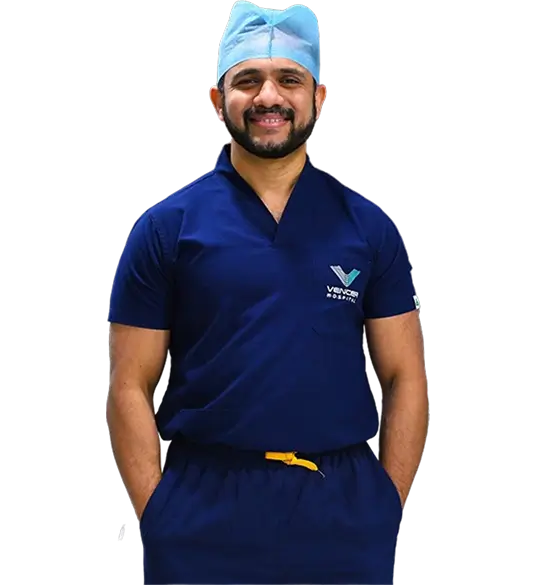
At Wellness Clinic, we are committed to restoring mobility.