October 12, 2026
Weight Loss and Knee Arthritis: How Much Difference Does It…


 Dr. Bhushan Shitole | July 31, 2026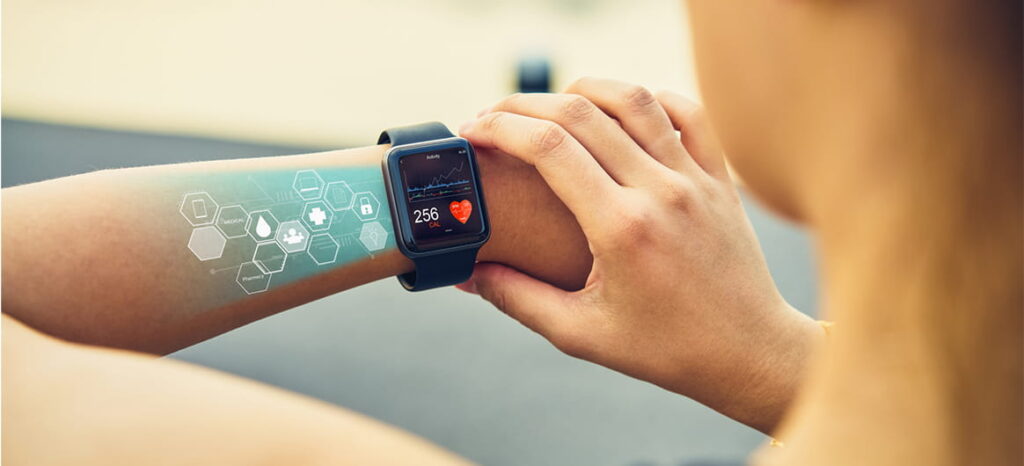
Fitness trackers and smartwatches have become a part of everyday life for many people. Whether you’re counting steps, tracking workouts, monitoring heart rate, or measuring sleep, these wearable devices provide valuable insights into your daily activity.
But can they actually help protect your knees, hips, and other joints? Can a smartwatch warn you before an injury happens?
The answer is encouraging, but with some important limitations. Wearable Technology for Better Joint Health can support healthier movement habits, improve training decisions, and reduce the risk of overuse injuries. However, these devices cannot diagnose orthopedic conditions or replace professional medical evaluation.
Understanding what wearable technology can and cannot do will help you use it more effectively while protecting your joints.
Modern fitness trackers collect a wide range of health and activity data.
Depending on the device, they may monitor:
This information helps users better understand their physical activity and identify habits that may influence long-term joint health.
While smartwatches cannot directly prevent injuries, they can encourage healthier exercise habits that reduce injury risk.
For example, wearable devices can help users:
These features are especially helpful for runners, athletes, fitness enthusiasts, and people returning to exercise after injury.
Many people focus on achieving 10,000 steps every day, but more isn’t always better.
Excessive walking without adequate recovery may contribute to step count joint stress, particularly in individuals with:
Instead of chasing a specific number, focus on gradual progress based on your fitness level and your doctor’s advice.
Some advanced smartwatches and orthopedic wearable devices now include features that assess walking mechanics.
Basic smartwatch gait analysis may identify changes in:
Although these measurements can provide useful trends, they are not accurate enough to diagnose orthopedic conditions. If you notice persistent pain or changes in your walking pattern, consult an orthopedic specialist.
One of the biggest advantages of wearable technology is helping users avoid doing too much, too soon.
Overtraining without adequate rest may lead to:
By monitoring workout frequency, recovery time, and overall activity levels, wearable devices may help reduce the risk of activity tracker overuse injury and support smarter training decisions.
Although wearable technology continues to improve, it’s important to understand its limitations.
Wearable health data limitations include:
Your smartwatch can tell you how active you’ve been, but it cannot determine whether knee pain is caused by arthritis, a meniscus injury, or ligament damage.
For athletes and active individuals, sports injury prevention technology can be a valuable training tool.
Some advanced devices provide insights into:
These features help athletes make informed decisions about training intensity while reducing the likelihood of overtraining joint damage.
Technology in orthopedic care continues to evolve rapidly.
Researchers are developing biomechanical monitoring wearables that may one day monitor:
These innovations have the potential to improve injury prevention, rehabilitation, and long-term joint care. However, they should always complement professional medical assessment rather than replace it.
To get the most benefit from your fitness tracker:
Remember that numbers on a screen don’t always reflect what’s happening inside your joints.
A fitness tracker cannot diagnose an injury.
Consult an orthopedic specialist if you experience:
Early diagnosis often leads to faster recovery and helps prevent long-term complications.
According to Dr. Bhushan Shitole, Sports Medicine Clinic in Pune, wearable technology is an excellent tool for tracking fitness progress, but it should be viewed as a guide rather than a diagnostic device.
He encourages patients and athletes to use smartwatch data to improve consistency, monitor recovery, and avoid sudden increases in activity. However, persistent pain, swelling, or changes in movement should always be evaluated by an orthopedic specialist rather than relying solely on wearable data.
Combining technology with expert medical advice is the best approach for maintaining healthy joints and preventing sports-related injuries.
Smartwatches cannot directly prevent injuries, but they can help monitor activity levels, recovery, and workout intensity, which may reduce the risk of overuse injuries.
Fitness trackers provide useful activity data, but they cannot diagnose arthritis, ligament injuries, or cartilage damage.
Some advanced devices offer gait analysis features that identify movement trends, but they should not replace professional orthopedic evaluation.
For some individuals, especially those with arthritis or previous injuries, excessive walking without adequate recovery may increase joint stress. Activity goals should be personalized.
Yes. Wearable devices can help athletes monitor training load, recovery, and performance, supporting safer exercise habits and injury prevention.
If you experience persistent pain, swelling, instability, or difficulty moving a joint, seek professional medical evaluation even if your wearable device shows normal activity levels.
Wearable Technology for Better Joint Health is changing the way people approach fitness, recovery, and injury prevention. Smartwatches and fitness trackers provide valuable insights into activity levels, movement patterns, and recovery, helping users make more informed decisions about their health.
However, wearable devices have limitations. They cannot diagnose orthopedic conditions or replace expert medical evaluation. The best results come from combining wearable technology with proper exercise, physiotherapy, healthy lifestyle habits, and timely orthopedic care.
If you’re experiencing persistent joint pain, sports injuries, or mobility concerns, consult Dr. Bhushan Shitole, Sports Medicine Clinic in Pune, for a comprehensive evaluation and personalized treatment plan.

October 12, 2026
Weight Loss and Knee Arthritis: How Much Difference Does It…

October 07, 2026
Runner’s Knee: Causes, Treatment and Prevention for Pune Runners

September 28, 2026
Joint Pain in Winter: How to Prevent and Manage Joint…
September 21, 2026
Diabetes and Joint Health: Why Diabetic Patients Need Extra Orthopedic…

September 15, 2026
Chondromalacia and Cartilage Damage in the Knee: What Are Your…

At Wellness Clinic, we are committed to restoring mobility.