October 12, 2026
Weight Loss and Knee Arthritis: How Much Difference Does It…


 Dr. Bhushan Shitole | April 09, 2026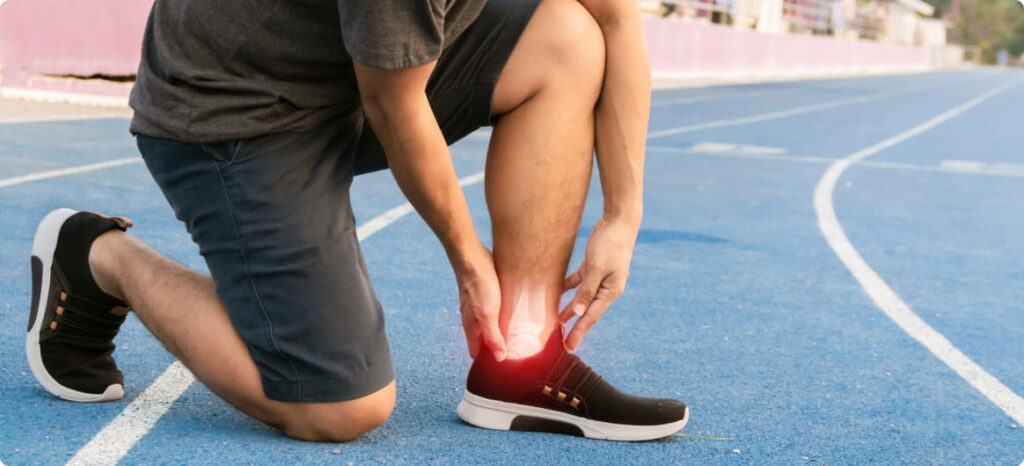
Sports and physical activity are important for overall health, but they can also lead to injuries if not managed properly. Whether you are a professional athlete or someone who exercises regularly, injuries can affect your performance, consistency, and long-term mobility. This is where the role of sports medicine in preventing athletic injuries becomes important.
Sports medicine is not only about treating injuries. It also focuses on prevention, helping the body stay strong, balanced, and prepared for physical activity. By identifying risks early and correcting imbalances, it reduces the chances of injuries.
In this blog, we will understand what sports medicine does, how it helps prevent injuries, and why it is important for anyone who stays physically active.
Many people only focus on treatment after an injury happens. However, sports medicine focuses on preventing injuries before they occur.
It helps identify weak areas in the body, improves movement, and ensures that the body can handle physical stress. Most athletic injuries develop over time due to repeated strain, poor technique, or lack of recovery. Addressing these factors early can significantly reduce the risk of injury.
By taking a preventive approach, sports medicine supports long-term fitness, better performance, and consistent activity without interruptions.
Sports medicine combines medical care, physiotherapy, and exercise science to support both prevention and recovery in a more structured and continuous way. It begins with understanding how the body functions by assessing movement patterns, muscle strength, joint stability, and any previous injuries. This helps identify areas that may be more vulnerable during physical activity.
Based on this understanding, a personalized plan is developed to improve strength, flexibility, and balance, so the body is better prepared to handle physical demands. Along with this, attention is given to posture and movement techniques, since poor form during activities like running or lifting can gradually increase stress on joints and muscles. Correcting these patterns early helps reduce unnecessary strain.
At the same time, recovery is treated as an essential part of the process. Proper rest, stretching, and recovery methods allow the body to adapt and reduce fatigue, which directly lowers the risk of injury. If an injury does occur, rehabilitation is approached step by step, focusing on restoring strength and function while ensuring a safe and confident return to activity without causing further damage.

A sports physician plays an important role in diagnosing injuries, understanding their severity, and guiding the treatment plan. They also help in creating strategies to prevent future injuries.
An athletic trainer or physiotherapist focuses on rehabilitation, exercises, and movement correction. They help improve strength, flexibility, and overall physical performance while ensuring safe recovery.
Together, they help individuals stay active, recover properly, and reduce the risk of injuries.
Sports medicine works by improving how the body functions during physical activity.
It focuses on building strength, improving flexibility, and correcting movement patterns. It also ensures that training intensity is appropriate and that the body gets enough rest.
Early signs such as mild pain, stiffness, or discomfort are addressed before they develop into serious injuries. This helps maintain long-term joint health and prevents interruptions in training.
Sports medicine is helpful for anyone who is physically active.
If you exercise regularly, experience repeated discomfort, or take longer to recover, it is important to seek guidance early. Addressing small issues at the right time can prevent bigger problems in the future.
Choosing the right specialist plays an important role in preventing injuries and maintaining long-term physical health. Dr. Bhushan Shitole is known for his patient-focused approach and expertise in sports medicine, injury prevention, and rehabilitation.
He focuses on understanding the root cause of physical stress, movement issues, and recurring injuries. Based on this, he recommends personalized treatment plans that may include physiotherapy, strength training, movement correction, and lifestyle guidance.
Whenever possible, the approach is centered on prevention and non-surgical care to help individuals stay active, improve performance, and reduce the risk of injuries.
For anyone looking to train safely and avoid long-term damage, consulting an experienced specialist can provide the right direction and support.
👉 Visit: https://drbhushanshitole.com/
📞 Contact: +91 80559 15591, +91 78880 90930
The role of sports medicine in preventing athletic injuries is important for maintaining long-term health and performance.
It helps you stay active, reduce injury risk, and recover properly when needed. By focusing on prevention and proper care, sports medicine supports safe and consistent physical activity.

October 12, 2026
Weight Loss and Knee Arthritis: How Much Difference Does It…

October 07, 2026
Runner’s Knee: Causes, Treatment and Prevention for Pune Runners

September 28, 2026
Joint Pain in Winter: How to Prevent and Manage Joint…
September 21, 2026
Diabetes and Joint Health: Why Diabetic Patients Need Extra Orthopedic…

September 15, 2026
Chondromalacia and Cartilage Damage in the Knee: What Are Your…
At Wellness Clinic, we are committed to restoring mobility.