November 23, 2026
Knee Pain After Trekking: Why Downhill Hurts and How to…



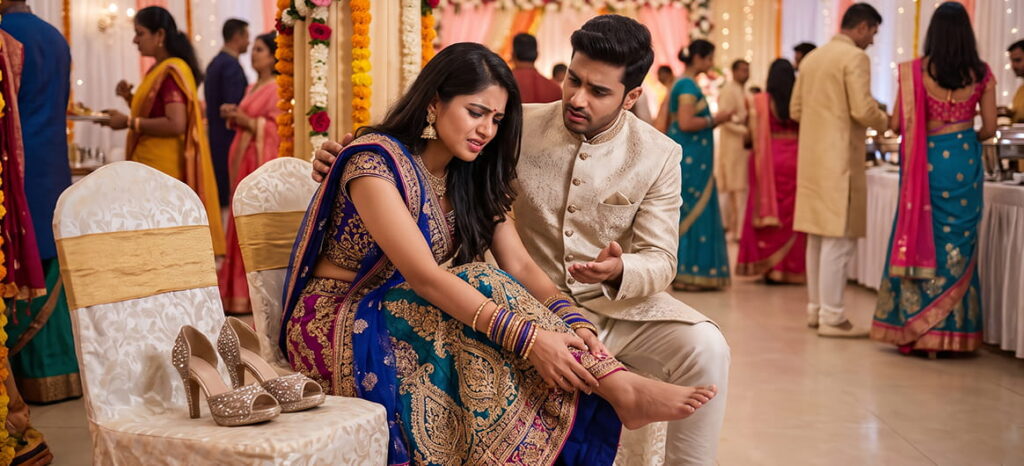
Wedding season brings celebrations, music, dancing and long hours of socialising. However, multiple wedding functions can also put extra stress on your knees, ankles and feet. From dancing continuously during the sangeet to wearing high heels and standing throughout ceremonies, these activities can lead to discomfort and injuries.
Wedding Season Joint Pain is often associated with sudden increases in physical activity, unsuitable footwear and inadequate rest between functions. Understanding how these activities affect your joints can help you enjoy wedding celebrations while reducing the risk of injuries.
During the wedding season, people often spend more time standing, walking, dancing and travelling than they normally do. These sudden changes in daily activity can put additional pressure on the joints and surrounding muscles.
Some common reasons include:
These factors can contribute to knee and ankle injuries from long standing and repeated physical activity. Even people without existing joint problems may experience soreness, stiffness or swelling after several days of celebrations.
Wedding dances often involve jumping, turning, quick movements and sudden changes in direction. While these movements are enjoyable, they require strength, balance and coordination.
Without proper warm-up or adequate rest, repeated movements can put stress on the lower body.
Some common knee and ankle injuries from dancing include:
Ankle sprains are particularly common during dancing because quick turns, jumps and unstable landings can affect joint stability. Knee pain can also develop due to repetitive loading and overuse.
If you experience pain that worsens during movement, swelling or difficulty putting weight on your leg, avoid continuing to dance until the injury has been assessed.
High heels may complement wedding outfits, but wearing them for extended periods can affect your posture, balance and walking pattern. They shift body weight towards the front of the feet and change the position of the ankle.
This can increase pressure on the feet and affect how the knees and ankles manage body weight.
Some possible effects include:
Knee pain after wearing heels may become noticeable after standing or walking for several hours. People who already experience knee discomfort may find prolonged heel use particularly uncomfortable.
For knee pain after wearing heels treatment, the first step is to reduce activities and footwear that aggravate the pain. Rest, supportive footwear and appropriate exercises may help, depending on the cause. Persistent pain should be evaluated by an orthopaedic specialist.
For wedding functions, consider block heels or wedges with a wider base instead of narrow stilettos. Keep comfortable flats available so you can change footwear when needed.
Wedding ceremonies can involve standing for several hours, greeting guests, walking between venues and travelling late at night. When these activities continue across multiple days, your joints and muscles may not get enough time to recover.
Prolonged standing can contribute to:
Late nights can also affect recovery because the body needs adequate rest after physical activity. Continuing to attend functions despite pain or fatigue may increase the risk of further strain.
Mild muscle soreness may settle with rest. However, pain that persists, swelling that does not improve or difficulty walking should not be ignored.
You do not have to avoid dancing or celebrations to protect your joints. A few simple precautions can help reduce unnecessary strain and keep you comfortable throughout the wedding season.
Follow these tips:
If you experience a sudden ankle injury, reduce weight-bearing activity and apply an ice pack wrapped in a cloth to help manage swelling. Seek medical advice if the pain is severe or you cannot walk comfortably.
Contact Us for Orthopedic Doctor in Pune
Joint pain, swelling or difficulty walking after wedding celebrations may require proper medical evaluation. Dr. Bhushan Shitole is a Consultant Orthopaedic and Joint Replacement Surgeon practising in Pune, with expertise in sports medicine, arthroscopic procedures and joint replacement.
He evaluates orthopaedic conditions and recommends treatment based on the patient’s symptoms and diagnosis. If knee or ankle pain is affecting your daily activities, an early consultation can help identify the cause and guide appropriate treatment.
Consult Dr. Bhushan Shitole for orthopaedic care in Pune and get guidance for managing joint pain and injuries.
Repeated jumping, bending and turning can put stress on the knee joint and surrounding muscles, leading to soreness or pain.
Yes. High heels change your walking posture and weight distribution, which may increase pressure on the knees and feet.
Wear stable footwear, warm up before dancing, avoid sudden movements and take breaks between activities.
No. Stop movements that increase the pain. Persistent discomfort, swelling or difficulty walking should be assessed by a specialist.
Consult a doctor if pain persists, swelling increases, movement becomes difficult or you cannot put weight on the affected leg.
Wedding Season Joint Pain can affect your ability to enjoy celebrations, especially when dancing, wearing high heels and standing for long hours become part of your routine. Choosing comfortable footwear, taking regular breaks and allowing enough recovery time can help protect your knees and ankles.
Do not ignore persistent pain or swelling. Timely medical evaluation can help identify injuries and ensure appropriate treatment.

November 23, 2026
Knee Pain After Trekking: Why Downhill Hurts and How to…
November 16, 2026
Heel Pain in the Morning (Plantar Fasciitis): Causes, Footwear and…
November 09, 2026
Meniscus Tear: Will It Heal on Its Own or Do…
October 30, 2026
Gym Injuries: Knee, Shoulder and Back Injuries from Wrong Lifting
October 26, 2026
Walker, Stick or Crutches: Choosing the Right Walking Aid
At Wellness Clinic, we are committed to restoring mobility.