November 16, 2026
Heel Pain in the Morning (Plantar Fasciitis): Causes, Footwear and…


 Dr. Bhushan Shitole | November 09, 2026
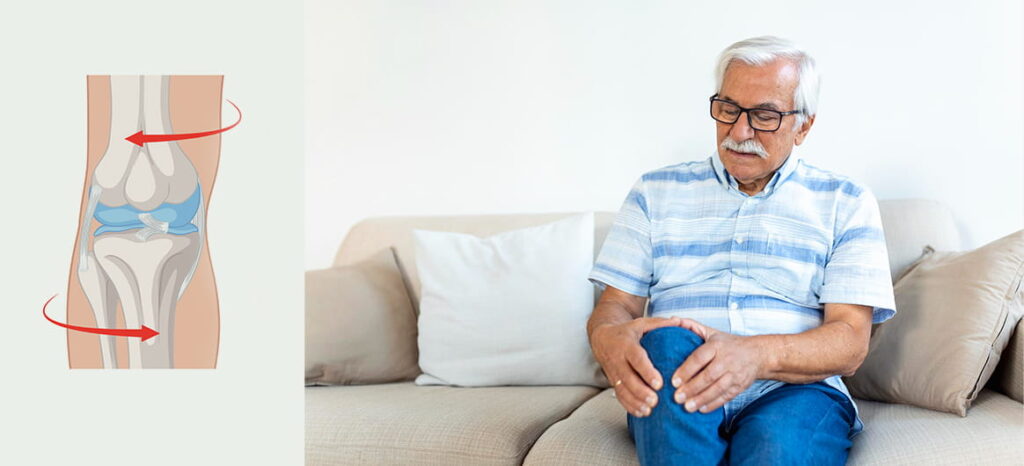
Knee pain, swelling, and difficulty bending your leg can sometimes indicate a meniscus injury. A Meniscus Tear is a common knee problem that can occur due to sudden twisting movements, sports injuries, or age-related wear and tear.
Many people wonder whether a meniscus tear can heal naturally or require surgery. The answer depends on the size, location, and severity of the tear. While some injuries improve with rest and physiotherapy, others may require arthroscopic surgery.
Understanding What is Meniscus Tear, its symptoms, treatment options, and recovery process can help you make informed decisions about your knee health.
The meniscus is a C-shaped piece of cartilage located between the thigh bone (femur) and shin bone (tibia). Each knee has two menisci that act as shock absorbers, distribute body weight, and provide joint stability.
A Meniscus Tear occurs when this cartilage gets damaged due to sudden twisting, excessive pressure, or gradual degeneration.
Common types include:
Not every tear requires surgery. Tears in the outer region, which has a better blood supply, have a greater chance of healing naturally. Tears in the inner region may have limited healing potential.
A meniscus tear in the knee can develop suddenly during physical activity or gradually due to age-related changes.
Some common causes include:
Recognising meniscus tear in knee symptoms early can help prevent further complications.
Common symptoms include:
Symptoms vary depending on the location and severity of the injury. An orthopedic specialist may recommend a physical examination and MRI to assess the damage.
Yes, some meniscus tears can improve without surgery. However, healing depends mainly on the location and severity of the injury.
The meniscus has three blood supply zones:
Small, stable tears may respond well to conservative treatment. Larger or displaced tears may require surgical evaluation.
The meniscus tear in knee recovery process depends on:
Even if pain improves, it does not always mean the cartilage has completely healed.
The right meniscus tear in knee treatment depends on the injury, symptoms, and individual condition. Treatment may involve conservative care or arthroscopic surgery.
Many stable meniscus tears can initially be managed without surgery.
Common approaches include:
If symptoms persist despite conservative treatment or the tear causes repeated locking, an orthopedic surgeon may recommend knee arthroscopy.
Knee arthroscopy is a minimally invasive procedure that uses a small camera and specialised instruments to examine and treat the damaged joint.
The two common procedures include:
The choice depends on the tear pattern, location, tissue condition, and patient’s overall knee health.
The meniscus tear in knee recovery timeline varies according to the treatment approach.
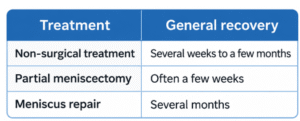
Physiotherapy is important for restoring knee movement, strength, and stability. Returning to sports or heavy exercise should happen gradually after medical clearance.
Following simple precautions can help protect your knees:
A meniscus injury requires an accurate diagnosis and an appropriate treatment plan. While some tears improve with conservative care, others may require arthroscopic intervention.
Dr. Bhushan Shitole provides orthopedic and arthroscopy care in Pune, including treatment for sports-related and knee conditions. Treatment recommendations depend on the patient’s injury, symptoms, and recovery requirements.
Consult an Arthroscopy Surgeon in Pune
If knee pain, swelling, or restricted movement is affecting your daily activities, consult an orthopedic specialist to understand your treatment options and whether arthroscopy is required.
Meniscus Tear refers to damage to the C-shaped cartilage inside the knee joint. It commonly occurs due to twisting movements, sports injuries, or age-related degeneration.
Yes, some small tears in the outer region may improve with rest and physiotherapy. Other tears may require surgical treatment.
Symptoms include pain, swelling, stiffness, clicking, locking, and difficulty bending or straightening the knee.
Surgery may be recommended when symptoms persist despite conservative treatment or when the tear causes significant mechanical problems.
Recovery may take several weeks to months, depending on the injury and whether treatment involves physiotherapy, meniscus repair, or partial meniscectomy.
A Meniscus Tear does not always require surgery. Some injuries improve with rest, activity modification, and physiotherapy, while more severe tears may require arthroscopic treatment.
Understanding What is Meniscus Tear, recognising symptoms early, and seeking medical advice can help you choose the right treatment approach.
With an accurate diagnosis, appropriate care, and structured rehabilitation, patients can work towards regaining knee function and returning to their regular activities.

November 16, 2026
Heel Pain in the Morning (Plantar Fasciitis): Causes, Footwear and…

October 30, 2026
Gym Injuries: Knee, Shoulder and Back Injuries from Wrong Lifting

October 26, 2026
Walker, Stick or Crutches: Choosing the Right Walking Aid

October 12, 2026
Weight Loss and Knee Arthritis: How Much Difference Does It…

October 07, 2026
Runner’s Knee: Causes, Treatment and Prevention for Pune Runners

At Wellness Clinic, we are committed to restoring mobility.