November 26, 2026
Wedding Season Joint Pain: Knee and Ankle Injuries from Dancing,…



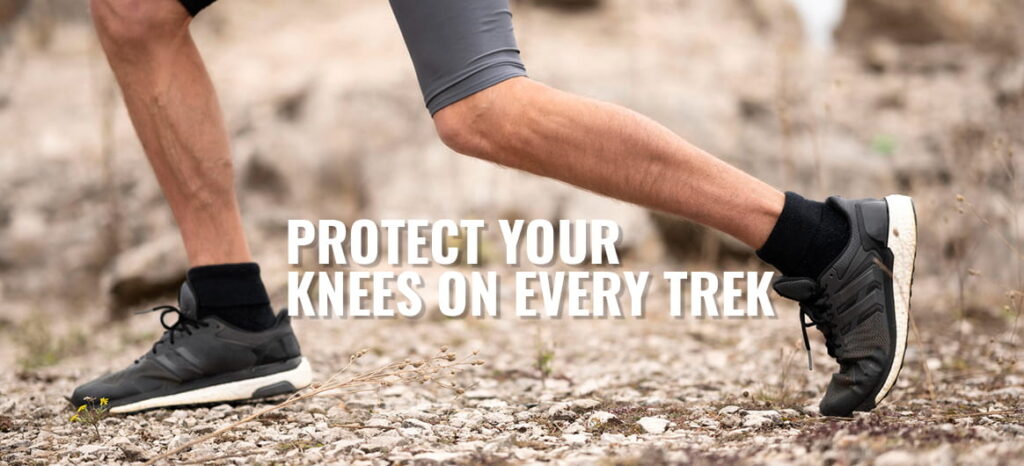
Trekking is a great way to stay active, explore nature, and improve physical fitness. However, many people experience knee discomfort after a long trek, particularly while walking downhill. Knee Pain After Trekking can occur due to repetitive stress, muscle fatigue, improper footwear, or increased pressure on the knee joint.
Downhill walking can be especially challenging because the muscles around the knee work harder to control body movement and maintain balance. If the muscles are not sufficiently strong or prepared, the repeated pressure can lead to pain and inflammation.
Understanding the causes, symptoms, and prevention methods can help you protect your knees and enjoy trekking without unnecessary discomfort.
Many trekkers notice that climbing uphill feels manageable, but descending causes significant knee pain. This happens because downhill walking places additional demands on the quadriceps muscles, which help control knee bending and body movement.
While walking downhill, these muscles contract while lengthening to control each step. This is called eccentric muscle contraction.
Repeated downhill movements can increase pressure around the kneecap and irritate surrounding tissues, particularly when the muscles become tired.
Common reasons include:
These factors can contribute to knee pain after hiking, particularly during long descents.
Knee Pain After Trekking can develop due to several factors related to physical activity, terrain, and existing knee conditions.
This condition causes pain around or behind the kneecap. It can become more noticeable while walking downhill, climbing stairs, or performing squats.
Long trekking routes can exhaust the quadriceps, hamstrings, and calf muscles. When these muscles become tired, they may struggle to support and stabilise the knee.
Repeated loading during downhill walking can irritate the patellar tendon, which connects the kneecap to the shinbone, causing discomfort.
Shoes without adequate grip, cushioning, or support can affect walking stability, especially on rocky and uneven trails.
Attempting longer or steeper treks without proper preparation can overload the knee joint and surrounding muscles.
Recognising hikers’ knee symptoms early can help prevent discomfort from becoming a recurring problem.
Common symptoms include:
Persistent pain, significant swelling, or difficulty bearing weight should be evaluated by an orthopedic specialist.
Following a few precautions before and during trekking can help reduce unnecessary pressure on your knees.
Strong quadriceps, hamstrings, and glutes provide better support to the knee joint. Include strengthening exercises in your regular fitness routine.
Trekking poles provide additional support and help distribute body weight during downhill walking, reducing some of the load on your knees.
Choose comfortable trekking shoes with suitable cushioning, grip, and ankle support to improve stability on uneven terrain.
Avoid rushing during descents. Take shorter steps, maintain balance, and avoid sudden movements on steep or rocky surfaces.
Start with shorter routes and gradually increase trekking distance and difficulty. Warm up before starting and allow sufficient recovery between challenging treks.
These habits can help reduce the risk of knee discomfort during outdoor activities.
Regular strengthening exercises can improve knee stability and prepare your muscles for trekking.
Some useful hikers knee exercises include:
Start with manageable repetitions and maintain proper technique. If an exercise causes pain, stop and seek professional guidance.
The appropriate knee pain after hiking treatment depends on the underlying cause and severity of discomfort.
Mild symptoms may improve with:
The hikers knee recovery time varies depending on the condition, severity, and treatment approach. Mild overuse discomfort may improve within days or weeks, while more significant injuries can take longer.
For knee pain walking downhill treatment, an orthopedic assessment can help identify whether the pain is related to muscle weakness, tendon irritation, cartilage damage, or another knee condition.
Persistent knee pain should not be ignored, especially when it affects walking, trekking, or everyday activities.
Dr. Bhushan Shitole provides orthopedic care in Pune, including evaluation and treatment of knee-related conditions. Depending on the diagnosis, treatment may involve medication, physiotherapy, activity modification, or surgical intervention.
Knee replacement is generally considered for advanced joint damage, such as severe arthritis, when appropriate non-surgical treatments no longer provide sufficient relief. It is not a routine treatment for trekking-related knee pain.
Consult a Knee Replacement Surgeon in Pune
If knee pain continues after trekking or affects your daily movement, consult an orthopedic specialist to identify the cause and understand suitable treatment options.
Downhill walking places additional pressure on the knee joint and requires greater muscle control. Repeated loading and muscle fatigue can contribute to pain.
Strengthen your leg muscles, wear supportive footwear, use trekking poles, maintain a controlled pace, and gradually increase trekking difficulty.
Common symptoms include pain around the knee cap, stiffness, swelling, and discomfort while walking downhill or climbing stairs.
Recovery depends on the underlying condition and its severity. Mild discomfort may improve within days or weeks, while more significant injuries require longer treatment and rehabilitation.
Avoid strenuous trekking if you have significant or worsening pain. Get an orthopedic evaluation before returning to challenging routes.
Knee Pain After Trekking is often associated with increased joint pressure, muscle fatigue, improper footwear, and repetitive downhill movements. Understanding these causes and preparing your body through strengthening exercises can help reduce knee discomfort.
Do not ignore persistent pain or swelling after a trek. Timely medical evaluation, appropriate treatment, and gradual recovery can help maintain knee health.
With proper preparation and care, you can continue enjoying trekking while protecting your knees.

November 26, 2026
Wedding Season Joint Pain: Knee and Ankle Injuries from Dancing,…

November 16, 2026
Heel Pain in the Morning (Plantar Fasciitis): Causes, Footwear and…

November 09, 2026
Meniscus Tear: Will It Heal on Its Own or Do…

October 30, 2026
Gym Injuries: Knee, Shoulder and Back Injuries from Wrong Lifting
October 26, 2026
Walker, Stick or Crutches: Choosing the Right Walking Aid

At Wellness Clinic, we are committed to restoring mobility.