October 12, 2026
Weight Loss and Knee Arthritis: How Much Difference Does It…


 Dr. Bhushan Shitole | April 02, 2026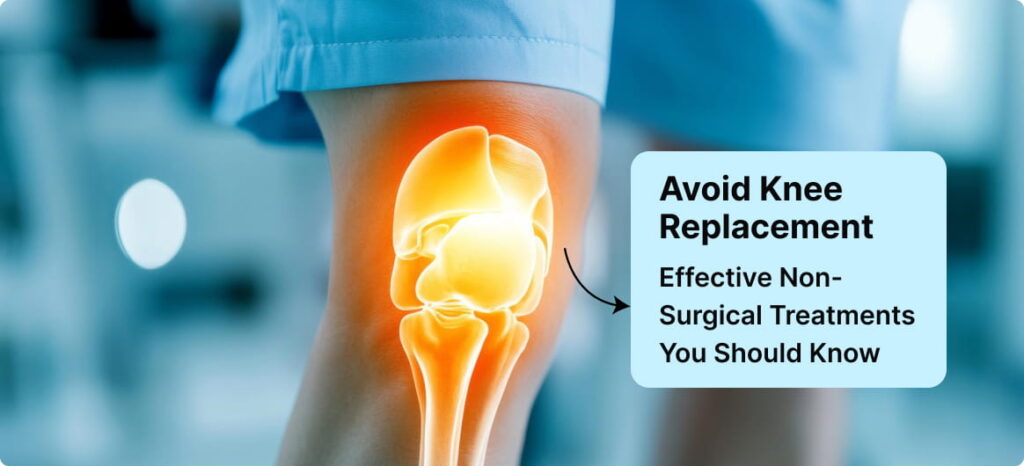
Knee pain is one of the most common joint problems affecting people of all ages, especially those above 40. Many individuals who suffer from chronic knee pain or arthritis worry that surgery is their only option. This often leads to the question: can knee replacement surgery be avoided?
The good news is that in many cases, knee replacement can be delayed or even avoided with the right combination of treatments, lifestyle changes, and medical care. Orthopedic specialists today focus strongly on conservative and minimally invasive treatments before recommending surgery.
In this blog, we explore whether there is an alternative to knee surgery, the latest alternatives to
knee replacement and practical steps you can take to avoid knee replacement in the future.
Knee replacement surgery is usually suggested when the knee joint becomes severely damaged due to conditions such as:
When the cartilage cushioning the bones wears away, it causes pain, swelling, stiffness, and difficulty walking. However, surgery is usually considered the last option, after non-surgical treatments have been tried.
Yes, several treatment options can help manage knee pain and improve mobility without surgery. The effectiveness of these treatments depends on the severity of joint damage and how early the condition is treated.
Orthopedic specialists often recommend a combination of therapies to reduce pain, improve joint function, and slow down further damage.

Physiotherapy is one of the most effective ways to manage knee pain. Targeted exercises help strengthen the muscles around the knee, especially the quadriceps and hamstrings.
Benefits include:
A physiotherapist can design a personalized exercise program based on your condition.
Excess body weight puts significant pressure on the knee joints. In fact, every extra kilogram of body weight adds several kilograms of stress on the knee while walking.
Losing even 5–10% of body weight can significantly reduce knee pain and slow the progression of arthritis.
Weight management is often one of the most effective ways to avoid knee replacement in the future.
Doctors may prescribe medications to control pain and inflammation, including:
These medications help manage symptoms but should always be taken under medical supervision.
Knee braces are commonly recommended for patients with arthritis or ligament instability. These braces help stabilize the joint and reduce strain on damaged areas.
They can improve walking ability and reduce pain during activities like climbing stairs or standing for long periods.
Injection treatments are among the latest alternatives to knee replacement and are widely used in orthopedic care.
Common injection options include:
Hyaluronic Acid Injections
These injections improve joint lubrication and help the knee move smoothly.
PRP (Platelet-Rich Plasma) Therapy
PRP uses the patient’s own blood platelets to promote healing and reduce inflammation in the joint.
Steroid Injections
Steroids help reduce inflammation and provide short-term relief from severe pain.
These treatments can provide significant relief and delay the need for surgery in many patients.
Making small changes in daily habits can greatly improve knee health.
Recommended lifestyle adjustments include:
These changes can play a major role in how to avoid knee surgery naturally.
Recent advances in orthopedic medicine have introduced regenerative treatments that focus on repairing damaged tissues rather than replacing the joint.
Some of these include:
These therapies are part of the latest alternatives to knee replacement being explored worldwide.
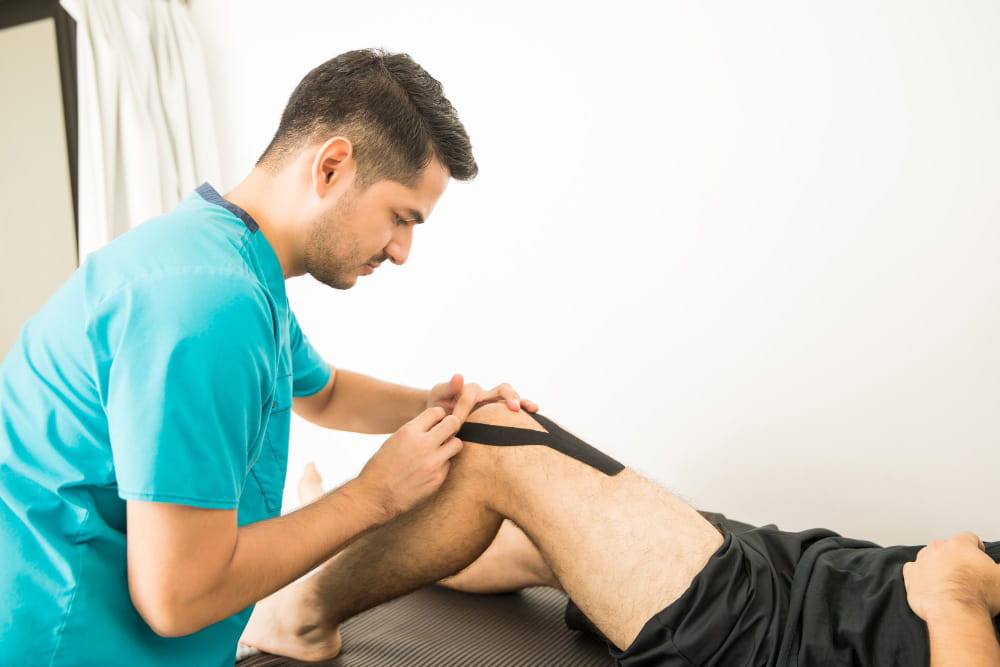
Preventive care is essential for maintaining healthy joints. Here are some practical tips to protect your knees:
Early diagnosis and proper treatment can significantly slow the progression of joint damage.
Although many treatments can help delay surgery, knee replacement may still be required in severe cases where:
An experienced orthopedic specialist can evaluate the condition and recommend the most appropriate treatment plan.
Choosing the right orthopedic specialist plays a crucial role in managing knee pain and exploring options before considering surgery. Dr. Bhushan Shitole is known for his patient-focused approach and expertise in diagnosing and treating various knee conditions. He believes in thoroughly evaluating the root cause of knee pain and recommending the most suitable treatment based on the patient’s condition and lifestyle. Whenever possible, Dr. Shitole focuses on non-surgical treatments such as physiotherapy, medication, lifestyle modifications, and advanced injection therapies to help patients manage pain and improve mobility.
For individuals wondering whether knee replacement surgery can be avoided, consulting an experienced orthopedic specialist like Dr. Bhushan Shitole can provide clarity and the right path toward effective knee care.
👉 Visit: https://drbhushanshitole.com/
📞 Contact Dr. Bhushan Shitole: +91 80559 15591, +91 78880 90930
Many patients wonder, “can knee replacement surgery be avoided?” The answer is yes in many cases, especially when knee problems are diagnosed early and treated with the right combination of therapies. From physiotherapy and weight management to modern injection therapies, there are several effective alternatives to knee surgery available today. By adopting a proactive approach to joint health and consulting a qualified orthopedic expert, it is possible to manage knee pain and maintain mobility for years to come.

October 12, 2026
Weight Loss and Knee Arthritis: How Much Difference Does It…

October 07, 2026
Runner’s Knee: Causes, Treatment and Prevention for Pune Runners

September 28, 2026
Joint Pain in Winter: How to Prevent and Manage Joint…

September 21, 2026
Diabetes and Joint Health: Why Diabetic Patients Need Extra Orthopedic…

September 15, 2026
Chondromalacia and Cartilage Damage in the Knee: What Are Your…

At Wellness Clinic, we are committed to restoring mobility.