October 12, 2026
Weight Loss and Knee Arthritis: How Much Difference Does It…


 Dr. Bhushan Shitole | July 24, 2026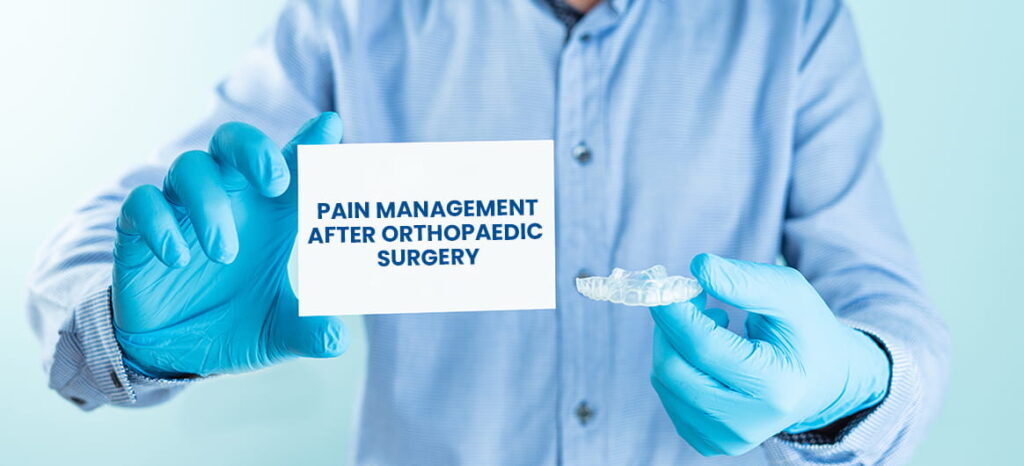
Recovering from joint surgery is an important journey, and experiencing some pain afterward is completely normal. Whether you’ve undergone knee replacement, hip replacement, or another orthopedic procedure, pain is a natural part of the healing process.
Many patients believe that taking more painkillers is the best way to recover comfortably. While Pain Medications After Orthopaedic Surgery play an important role, relying only on medicines is rarely the most effective approach. Modern orthopedic care focuses on managing pain through a combination of medications, rehabilitation, and healthy recovery practices.
The goal isn’t to eliminate every sensation of pain. Instead, it’s to keep discomfort under control so you can move safely, participate in physiotherapy, and heal without unnecessary complications.
Joint surgery involves repairing or replacing damaged bones, cartilage, muscles, and surrounding soft tissues. As your body begins healing, inflammation naturally develops around the surgical site.
This healing response can cause:
The intensity of pain usually improves gradually over the first few weeks, although recovery varies from person to person.
Pain medications are an important part of recovery, but they should be used as one component of a broader treatment plan.
Using only painkillers may:
Today’s orthopedic specialists often recommend multimodal pain management, which combines different pain-relief methods to improve comfort while reducing reliance on strong medications.
Your orthopedic surgeon may prescribe different medications depending on your surgery, overall health, and pain level.
These may include:
Pain medicines should always be taken exactly as prescribed. Avoid increasing doses or extending their use without consulting your doctor.
Although pain medications can provide significant relief, using them for longer than recommended may increase the risk of complications.
Potential concerns include:
This is why orthopedic specialists aim to gradually reduce medication as your recovery progresses.
One of the safest ways to support recovery is by combining medications with non-drug therapies.
Effective non-opioid pain management options include:
Applying ice packs during the first few weeks after surgery helps reduce swelling and numb painful tissues.
Cryotherapy recovery techniques can:
Always use a cloth between the ice pack and your skin, and follow your surgeon’s recommendations regarding duration.
Physiotherapy is one of the most important parts of recovery.
A structured rehabilitation program helps:
Although exercises may feel uncomfortable initially, regular physiotherapy often reduces pain over time by improving joint function.
Some patients may benefit from TENS therapy for joint pain during rehabilitation.
Transcutaneous Electrical Nerve Stimulation (TENS) uses gentle electrical impulses that may help reduce pain signals and improve comfort for certain individuals.
While TENS is not suitable for everyone, your physiotherapist can determine whether it’s appropriate as part of your recovery plan.
It may seem surprising, but gentle movement often helps reduce pain better than prolonged bed rest.
Walking, stretching, and prescribed exercises help:
Always follow the exercise plan recommended by your orthopedic team.
Pain affects both the body and the mind. Anxiety and stress can sometimes make pain feel more intense.
Simple mind-body pain techniques may help improve comfort, including:
These techniques do not replace medical treatment but can complement your overall pain management plan.
To support healing after joint surgery:
Small daily habits often make a significant difference in long-term recovery.
While some pain is expected after surgery, certain symptoms require medical attention.
Consult your orthopedic surgeon if you experience:
Early evaluation helps identify complications before they become more serious.
According to Dr. Bhushan Shitole, Knee Specialist in Pune, successful recovery depends on balancing pain relief with active rehabilitation.
He encourages patients to use pain medications responsibly while participating in physiotherapy, maintaining healthy movement, and following their personalized rehabilitation plan. Modern orthopedic care focuses on helping patients recover safely while minimizing unnecessary dependence on strong painkillers.
With the right combination of medical care, exercise, and guided rehabilitation, most patients experience steady improvement in pain and mobility over the weeks following surgery.
Most patients require pain medications for a short period after surgery. Your orthopedic surgeon will gradually reduce them as your recovery progresses.
Many patients successfully recover using a combination of non-opioid medications, physiotherapy, ice therapy, and other pain management techniques. Your treatment plan depends on your individual condition.
Yes. Physiotherapy improves joint movement, strengthens muscles, and often reduces pain naturally during recovery.
Yes. Ice therapy helps reduce swelling, inflammation, and discomfort, especially during the early stages of recovery.
Multimodal pain management combines medications, physiotherapy, cryotherapy, exercise, and other supportive techniques to provide effective pain relief while reducing reliance on strong medications.
Seek medical attention if pain becomes severe, suddenly worsens, is associated with fever, excessive swelling, redness, or prevents you from moving the joint.
Managing recovery after joint surgery involves much more than simply taking painkillers. While Pain Medications After Orthopaedic Surgery remain an important part of treatment, the best outcomes come from a balanced approach that includes physiotherapy, ice therapy, gradual movement, healthy lifestyle habits, and regular follow-up care.
By following your orthopedic surgeon’s guidance and participating actively in your rehabilitation, you can reduce pain safely, improve mobility, and return to your daily activities with greater confidence.
If you’re recovering from knee replacement or another joint procedure and need expert guidance for pain management and rehabilitation, consult Dr. Bhushan Shitole, Knee Specialist in Pune, for personalized orthopedic care.

October 12, 2026
Weight Loss and Knee Arthritis: How Much Difference Does It…

October 07, 2026
Runner’s Knee: Causes, Treatment and Prevention for Pune Runners

September 28, 2026
Joint Pain in Winter: How to Prevent and Manage Joint…
September 21, 2026
Diabetes and Joint Health: Why Diabetic Patients Need Extra Orthopedic…
September 15, 2026
Chondromalacia and Cartilage Damage in the Knee: What Are Your…
At Wellness Clinic, we are committed to restoring mobility.