October 12, 2026
Weight Loss and Knee Arthritis: How Much Difference Does It…


 Dr. Bhushan Shitole | May 07, 2026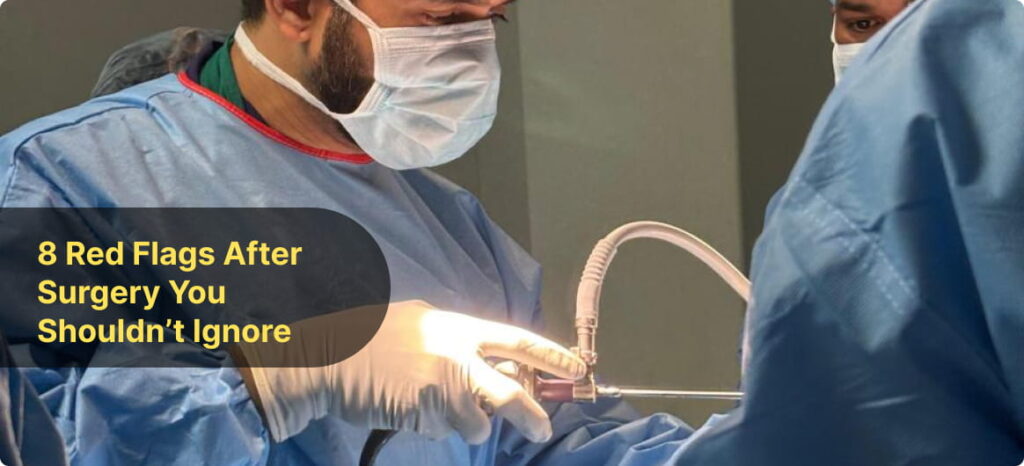
Recovering from surgery is a journey that requires patience, care, and awareness. While most people heal without complications, sometimes your body may signal that something isn’t quite right. Recognizing the signs your post-surgery recovery is not on track can help you act early and avoid serious complications.
In this blog, we’ll walk you through the warning signs to watch for, along with practical steps you can take to ensure a safe recovery.
Some level of pain after surgery is completely normal. However, if your pain:
…it could indicate infection, internal inflammation, or improper healing.
What to do: Don’t ignore worsening pain. Consult your surgeon immediately for evaluation.
Mild redness is expected, but excessive redness spreading around the incision site, along with swelling or warmth, may indicate infection.
What to do: Keep the area clean and dry, and seek medical advice if symptoms worsen or are accompanied by fever.
Clear fluid drainage is often part of healing. However, yellow, green, or pus-like discharge with a bad smell is a red flag.
What to do: This could be a sign of infection or non healing surgical wounds. Contact your doctor promptly for treatment.
One of the more serious complications is wound dehiscence, where the surgical incision reopens either partially or completely.
This can happen due to:
👉 What to do: Cover the wound with a clean dressing and seek immediate medical attention. Avoid applying pressure or self-treatment.
If you notice wound separation after stitches removed, it’s a clear indication that healing was incomplete internally.
This may look like:
👉 What to do: Avoid touching or stressing the area. Visit your surgeon for proper wound management and possible re-closure.
A mild rise in temperature can happen post-surgery, but persistent fever (above 100.4°F or 38°C) is often a sign of infection.
👉 What to do: Monitor your temperature regularly. If fever continues or is accompanied by fatigue or chills, seek medical care.
If your incision doesn’t seem to improve over time, you may be dealing with non healing surgical wounds.
Common causes include:
👉 What to do: Your doctor may recommend advanced wound care, medications, or lifestyle adjustments to promote healing.
Some bleeding is expected initially, but ongoing or excessive bleeding is not normal.
👉 What to do: Apply gentle pressure and seek medical help immediately if bleeding doesn’t stop or worsens.
Many patients wonder, how long does it take for a surgical incision to heal internally?
Even if your wound looks healed from outside, internal tissues may still be recovering. Following post-surgery guidelines is crucial during this phase.
Dr. Bhushan Shitole is a highly experienced and trusted surgeon known for his patient-centric approach and expertise in surgical care. With years of clinical experience, he specializes in diagnosing and managing complex surgical conditions, including post-operative complications.
Dr. Shitole focuses on:
His approach emphasizes not just successful surgery, but also smooth and complication-free recovery, ensuring patients return to their normal lives with confidence.
✔️ Follow all post-operative instructions carefully
✔️ Keep the wound clean and dry
✔️ Avoid heavy lifting and physical strain
✔️ Maintain a protein-rich, balanced diet
✔️ Stay hydrated
✔️ Attend follow-up appointments
Early signs include increasing pain, redness, swelling, unusual discharge, fever, and delayed wound healing.
Internal healing usually takes 4 to 12 weeks, depending on the type of surgery and individual health conditions.
Wound dehiscence is the reopening of a surgical incision, either partially or completely, and requires immediate medical attention.
No, wound separation after stitches removed indicates incomplete healing and should be evaluated by a doctor.
Common causes include infection, diabetes, poor nutrition, and inadequate blood supply to the affected area.
You should contact your doctor if you experience:
Recovery after surgery continues long after you leave the hospital. Being aware of the signs your post-surgery recovery is not on track can help you take timely action and avoid serious complications.
If you notice symptoms like wound dehiscence, wound separation after stitches removed, or non healing surgical wounds, don’t delay seeking medical help.
Your recovery is just as important as the surgery itself: take care, stay alert, and always consult your doctor when in doubt.

October 12, 2026
Weight Loss and Knee Arthritis: How Much Difference Does It…

October 07, 2026
Runner’s Knee: Causes, Treatment and Prevention for Pune Runners

September 28, 2026
Joint Pain in Winter: How to Prevent and Manage Joint…
September 21, 2026
Diabetes and Joint Health: Why Diabetic Patients Need Extra Orthopedic…

September 15, 2026
Chondromalacia and Cartilage Damage in the Knee: What Are Your…
At Wellness Clinic, we are committed to restoring mobility.